Free Shipping on orders of $99+ click for details

Ask the experts: 260.587.9501 | Customer Service

Call Us: 260.587.9501 | Customer Service

Your cart is currently empty.
Free Shipping on orders $59+ click for details
Welcome to the 3Rivers Archer's Den

Archer's Den

Welcome to the Archer's Den. Here you will find a gathering of traditional archery stories, tips and techniques, trophy animals taken with traditional bows, and plenty more. Stay a while and learn something. We hope you enjoy and even submit a trophy of your own, or leave a comment on a post.

All posts by 3Rivers Archery

Your longbow and recurve experts. Serving the archery community as the World's largest supplier of traditional and primitive archery supplies.

Arrow Tips by Gold Tip: Arrow Assembly

Gold Tip logo

Arrow Assembly
Broadhead Tuning
Paper Tuning
Bare Shaft Tuning

Arrow Assembly

Gold Tip arrows are not only the best performing arrows on the market; they are also the most user-friendly. With proper care and by adhering to the assembly instructions below you will find Gold Tip shafts quick and easy to assemble in any configuration you desire.

Arrow Cutting

Use only a high speed, abrasive wheel cutoff saw that is designed specifically for cutting arrow shafts. Use of any other method could result in damage to the shaft. It is recommended that your arrow shaft be cut at least one inch in front of the arrow rest at full draw. Arrows that are cut too short can be drawn past the arrow rest which could result in the arrow falling from the string, jamming, or otherwise causing damage to the arrow or the bow, and could even lead to personal injury. Never shoot an arrow that is less than one inch past the arrow rest at full draw.

Tip from the Pros: Try cutting arrow shafts on both ends to improve straightness. Straightness flaws in carbon arrows are typically found on the ends. Cutting both ends will often lead to better straightness and thus, better accuracy.

Installing Inserts

– Read Warning and First Aid instructions on Tip Grip bottle before use.
– Wear safety glasses.
– Do not handle inserts by gluing surfaces as doing so may lead to improper adhesion. Disposable gloves are recommended.
– Use only TIP GRIP adhesive to install inserts. Do not use hot melt glue on carbon arrows.

Step 1: Clean inside of shaft to a depth of 1 inch with clean water on a cotton swab to remove debris. Allow to dry.
Step 2: Apply TIP GRIP adhesive to insert using three generous lines evenly spread and length wise along the flats of the insert.
Step 3: Install insert into shaft and rotate slowly one full turn while doing so.
Step 4: With a clean cloth immediately wipe off any excess glue from the shaft and insert.
Step 5: Allow 24 hours for adhesive to cure before shooting. Shooting before adhesive has fully

Installing Nocks

Gold Tip GT Series and Accu-lite Nocks are designed to fit snuggly without the use of adhesive. Simply press the nock into the shaft and rotate to achieve correct vane orientation.

Gold Tip Pin Nocks and HD Pin Nocks are designed to fit snuggly over a pin nock bushing without the use of adhesive. After following the instructions for installing a Gold Tip pin nock bushing (see below), simply press the nock onto the pin and rotate to achieve correct vane orientation.

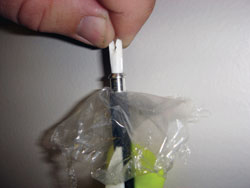
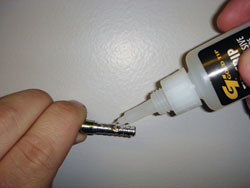
Gold Tip Pin Nock Bushings are used in conjunction with a pin nock or HD pin nock. The bushings can be glued in using Tip Grip adhesive or pressed in using plastic or Teflon tape.

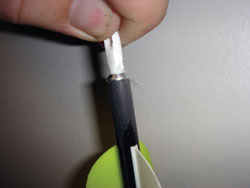
Tip from the Pros: Instead of using glue, press your pin nock bushing into the shaft through a piece of plastic grocery bag, or wrap the bushing with Teflon tape prior to pressing it in the shaft. This will allow the bushing to fit tightly without rotating and at the same time, it will allow you to replace the bushing in the event it becomes damaged. If the pin is damaged after being glued in it is very difficult and sometimes not even possible to remove the damaged pin without damaging the shaft. (see photos below)

Nock Install

Nock install

Glue Nock
Glue nock
Glue Point
Glue point

Building Youth Wood Arrows at Home

by: Johnathan Karch

Homemade Youth Wood Arrows
Building Youth Arrows is a Great Way to Pass on the Tradition!

Building your own arrows is a very rewarding hobby. Having that extra confidence in your gear puts confidence in yourself, which will lead to better shooting and more enjoyable practice sessions.
One of my many joys in life comes from watching my oldest daughter, Bella (age 6), shoot her bow. She has always known Dad shoots his bow (not to mention grandpa, grandma, and uncle), but thanks to the Disney movie Brave she found a new way to connect to the sport of archery. She even quotes lines from the movie before taking her shot. She shoots the Pilgrim Squirt longbow (in pink, of course) with 3Rivers Youth Wood Arrows.

My second daughter Alexa has a really small bow she got when she was 3 years old. She is now 4 years old and has the same bow that her sister has, but in purple.

Now, I stopped building wood arrows many years ago when I switched over to shooting carbon arrows. It was not that I did not love building wood arrows. I just like how much stronger carbon is for an arrow shaft. I still have at least one from every dozen of arrows I have built in my life hanging on the wall. I can tell you right now, it is the wood arrows of which I am most proud.

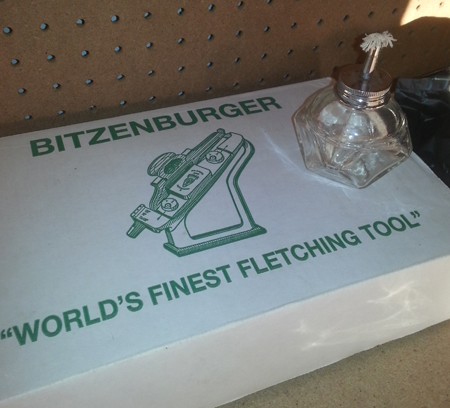
The Bitzenburger Fletching ToolWith that in mind, I saw the chance to break back into the wood arrow building adventure that I used to love so dear. For arrow building supplies I started this project with the Bitzenburger fletching jig and fletching glue that I used for building carbon arrows.

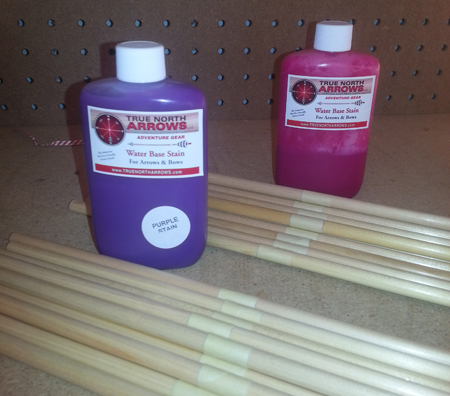
3Rivers Port Orford Cedar Shafts and True North Stains.For my girls’ arrows I started by getting two bottles of True North water based stain, one pink and one purple, because as everyone with more than one kid knows, kids will fight over anything. I went with water based as I saw some finished arrows with this stain and the colors were bright, plus it does not smell, it’s easy to clean up, and eco-friendly. For an arrow sealer, I used the 3Rivers Gasket Lacquer. Though it does smell, in my opinion it is the fastest drying sealer on the market, and it applies a great finish that is durable and really highlights the colors underneath. Exactly what an archer wants out of an arrow sealer.

The 3Rivers Little Chopper

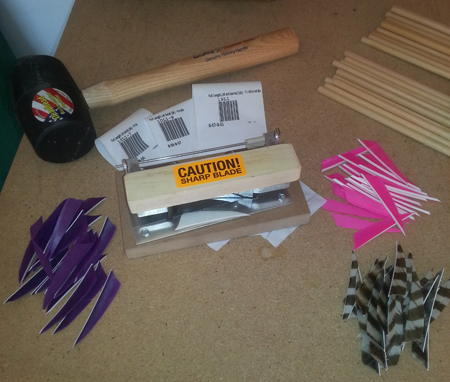
I chopped my own fletchings with a 3Rivers Little Chopper, as I wanted the 3″ length in shield cut, so my girls’ arrows would match mine. With a full length TrueFlight feather I was able to get two 3″ fletchings out of each feather. This was a great benefit, as it limited my feather purchases to one dozen of each color; solid purple, solid pink, and Traditional Barred. I planned on doing a 3-fletch with two solid color hen feathers and the barred cock feather.

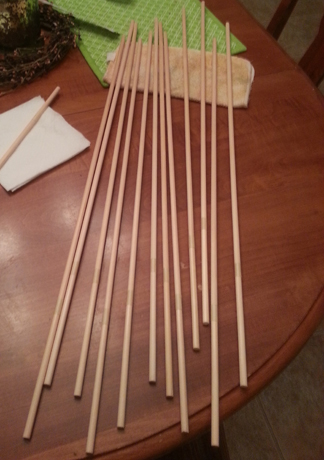
3Rivers Port Orford Cedar Arrow ShaftsThe shafts are 3Rivers Port Orford Cedar shafting in the 5/16″ diameter. This is the smallest diameter offered by 3Rivers in wood arrows and the lightest arrow spine. Having a light arrow spine is preferred, as the girls’ bows are not that heavy (about 10-12 pounds), but they can really shoot an arrow.
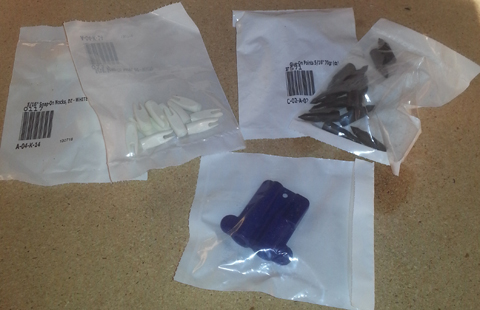
For nocks I used Snap-On nocks in white for both sets of arrows. They are easy to see, and the tighter grip will work better for youth bow strings that normally have fewer strands.

Nocks, Field Points, and Taper ToolI chose 3Rivers 70 grain steel field points for tips. This is the lightest weight in the 5/16″ diameter that is a steel field point. I like the shape and weight of these points over bullet nose parallel points as I can easily put the point taper on the arrow shaft, the point shape will stick in targets better, and the heavier weight will weaken the spine which is good for the lighter weight bows.

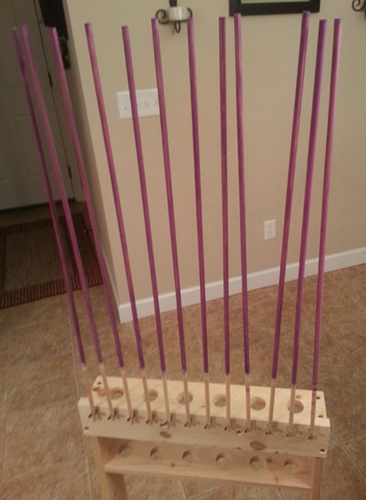
3Rivers Arrow Dipping Rack with purple stained arrow shaftsAdditional arrow building tools needed were the 3Rivers Arrow Dipping Rack with metal arrow clips for holding the arrows while they dry after staining and sealing, a 12 ounce rubber mallet for using with the Little Chopper, a couple of cloth rags for staining the arrows, masking tape, Traditional Only 5/16″ Taper Tool for tapering the nock and point ends of the arrows, Ferr-L-Tite point glue for the field points, and Fletch-It Archer’s Adhesive for gluing on the fletchings and nocks.

The first step was to straighten the cedar arrow shafts. Being wood, they are a natural material and will have slight bends to them. Using my hands and sighting down the wood shafts, I found any bends and used light pressure from the palm of my hand to straighten each arrow shaft until they ‘spun-true’ on my fingernails. Being light spine shafts, it did not take much pressure. I even broke one shaft by applying too much pressure. So be careful.

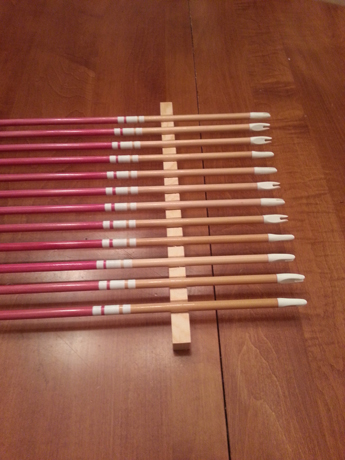
Wood Youth Arrows with Crown Dip and cresting startedI really wanted these arrows to stand out as custom and special for my girls. Knowing I would be staining the arrows I thought a cap dip, also known as a crown dip, would be a great choice. This is the process of having the nock side of the arrow shaft a different color than the rest of the arrow. Instead of doing another color I wanted the natural beauty of the Port Orford Cedar to shine from under the finish. This would also require cresting the arrows where the stain and unstained sections meet, but that is a fun project in itself. I used masking tape and taped off around the arrow shaft at 6″ down from the nock end. I normally do 10″ down when I built adult wood arrows with 5″ fletchings, so with 3″ I figured 6″ would look best.

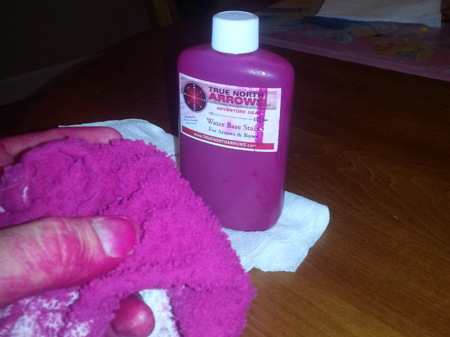
Arrow Stain is MessyOnce the arrow shafts were taped off I used a cotton cloth rag and poured some of the stain on the rag. I wiped the rag up and down the arrow shaft many times getting the stain the right brightness of color. It took about 30 to 40 minutes. I wanted bright arrows, not just a light pink, so I took extra time and extra stain. As a warning, staining arrows is messy, messy work. My hands were covered, and I got a bit on the table and floor, and even some on the crown dip of the arrow. The good news is that using a water-based stain I was able to clean up fast and easy. I used a clean cloth with some water to clean up the crown dip area I had accidently gotten stain on. You can also use light sandpaper if additional clean-up is needed.

Not intending to put a different color for the crown dip, the next step is sealing the arrow. Some would do the cresting now, then seal, but I have heard too many stories of the cresting streaking when putting the sealer on, so I chose to crest afterwards and brush on sealer over the cresting.

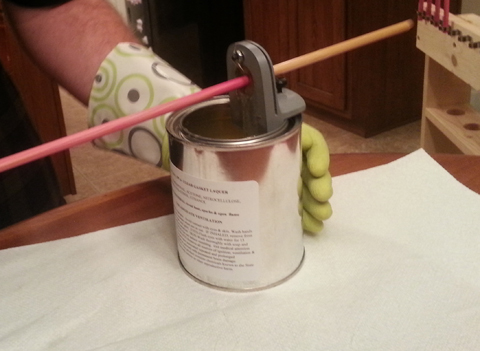
Eco-Dipper in use with 3Rivers Gasket Lacquer

I used the 3Rivers Gasket Lacquer and applied it with the Eco-Dipper, as I have always used a gasket system before. Not having a lot of space at home, I like how little space the Eco-Dipper uses, and as it attaches to the can of Gasket Lacquer, you can seal up the can when done, so no need for a dip tube. I applied three coats of sealer, as I find that to be enough sealer for arrows, especially youth arrows. Nice thing with 3Rivers Gasket Lacquer is that by the time you are done sealing the twelfth arrow, your first one is dry and ready to be dipped for another coat if you would like. You can use some steel wool between coats for a thicker coat, but I chose not to. If you are not happy with the thickness of a sealer, just do a few more coats.

With the sealer now on I tapered the nock end of the arrow with the Traditional Only 5/16″ taper tool. Nocks take an 11 degree taper, which is preset with the tool. This makes it very easy to do with little effort. I then glued the nocks with the Fletch-It Archer’s Adhesive.

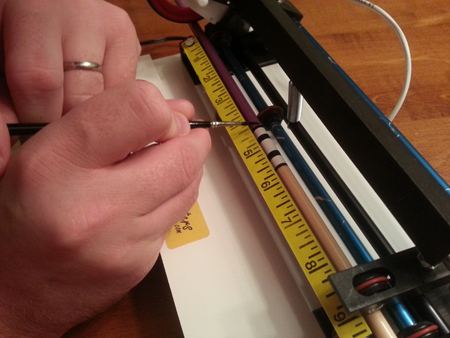
The SpinRite Crester is great for fine crestingSince I did a crown dip (cap dip) I needed to crest the arrows. Cresting takes patience and a steady hand. Something I have more of one than the other. I found using the SpinRite crester made the experience so much more enjoyable as it offers a lot of features that allow for precision and repeatability. One tip I have is to plan your design prior to starting and measure it out. I went with a large 1/2 inch band in the middle with dual 1/8 inch bands on each side that were also spaced 1/8 of an inch apart. This pattern makes it easy to replicate from arrow to arrow. I used water-based True North cresting paint for no odor and easy clean up. I sealed them with True North Cresting Sealer to add durability to the cresting.

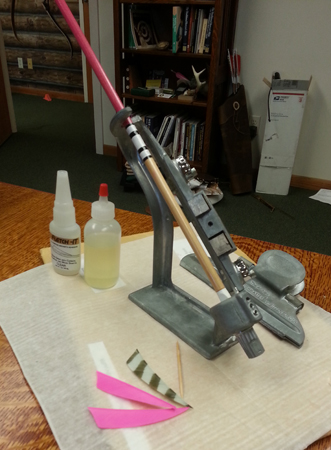
The Bitzenburger Fletching JigFor fletching the arrows I use the Bitzenburger fletching jig as I find it is solid and dependable. They are easy to adjust to any arrow size and fletching. I used the Fletch-It Archer’s Adhesive to glue the feathers in place in a standard 3-fletch spacing of 120 degrees apart. I went half an inch up from the base of the nock for proper finger clearance when shooting. I put a drop of glue on both ends of each fletching for a more secure hold and better look.

Lastly, I used an arrow saw (though with wood arrows a hacksaw is ‘doable’) to cut the arrows to 24″ length, measuring from the valley of the nock (the deepest part where the bow string will sit), to where the back end of the point taper will be. Arrow points use a 5 degree taper, and I used Bohning Ferr-L-Tite for mounting the steel field points. I like that it takes more heat to soften the glue, as I believe it provides a better hold on the field point. Using an open flame (be careful), I heated the end of the glue and rubbed it onto the tip of the point taper on the shaft. Using a pair of pliers, I then heated the open end of the field point, which expands in heat, and twisted the point when mounting on the point taper. It should seat all the way to the end of the taper. Some excess glue may come out there, just wipe off with a cloth or paper towel. Careful, it will be hot. I spun the arrows on their tips to make sure they were aligned straight on the shafts. Be sure your arrow shafts are straight before you do this step. When straight, dip the tip of the arrow in a glass of room temperature water for the point to cool, including the glue underneath. It only takes a couple seconds for it to cool to the touch.

At this point the arrows were ready to shoot. The girls loved their new wood arrows and were very excited to start shooting. I hope you try your hand at building some wood arrows, either for yourself, a family member, or a friend. As the joy of the process is almost as much fun as shooting them, and really adds to the depth of the sport.

Traditional Archery Shooting Schools

Here you will find information 3Rivers Archery has gathered on traditional archery shooting schools. These are free listings and are constantly being updated. 3Rivers Archery does not sponsor or support any particular shooting school by its listing here. If you would like to submit a shooting school for inclusion on this page, please send an e-mail with all relevant information to [email protected] or mail material to 3Rivers Archery, PO box 517, Ashley IN 46705 Attn: Johnathan Karch. The only restriction is the shooting school must be focused on traditional archery.

Rod Jenkins Archery Shooting School

Contact: Rod Jenkins
305 Courtney Dr. SW #109
Decatur, AL 35603
[email protected]
Phone 256-353-7336
Cell 256-318-5278

Info: Contact Rod Jenkins for information on school times and locations.

Byron Ferguson Bowhunting & Shooting School

Where: Goodman Ranch
770 Proctor Road
Henderson, TN 38340
Located only one hour east of Memphis, TN.

Contact: Mike Goodman, Ph. 901-734-7818 [email protected] or Byron Ferguson, 256-773-2467 [email protected]

Info:Your Shooting School Tuition is ALL INCLUSIVE; Food and lodging will be provided on-site. All you bring is you bow-arrows and personal items!

Update! Byron will be coming to Ashley, Indiana for a special three-day clinic July 13th through July 15th, 2018. There are only 15 spots available, so reserve your spot now.

Ricky Welch Archery Shooting School

Contact: RICK WELCH
36905 Kanis Rd.
Paron, AR. 72122
501-821-3791
[email protected]

Info: Rick Welch offers a very comprehensive, 2 day traditional instructional shooting school. You are encouraged to contact Mr. Welch as soon as possible, as available dates fill quickly.

Can’t make it to Arkansas for Rick Welch’s 2 day shooting school? Contact him about hosting a traditional, instructional shooting school at your location.

Black Widow Instinctive Archery School

Contact: Black Widow Bows
417-725-3113
[email protected]

Info: The Black Widow Instinctive Archery School is limited to 2 clinics of 20 members per clinic each year. Well-known instinctive archer, G.Fred Asbell, is the primary instructor.

Whispering Pines Archery School

Contact: Bob Wesley
52 Plymouth Ct.
Pittsboro, NC 27312

Email: [email protected]
Phone: (919) 969-7811

Info: Train with Bob Wesley, an archer trained by Howard Hill himself! The Whispering Pines Archery Program is custom geared to each archer’s goals; targeting a specific animal or winning tournaments.

Snakeskin Backing a Bow

By: Dale Karch and Todd Smith
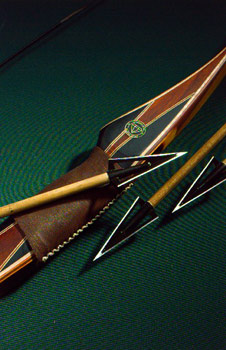
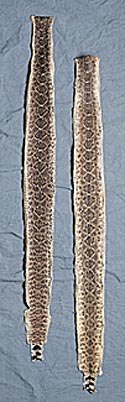
Unique and Exotic Snakeskin backing
Add a touch of the unique and exotic
to your bow with a snakeskin backing.

How do you put snakeskins on a bow?

Great question! Snakeskin Backings are a beautiful addition to any bow. You can either purchase them or capture them yourself. The snake skins must be dry when you’re applying them, but may be purchased in either a raw/frozen state, or a pre-dried state. If you dry your own skins, you can control the shape and straightness of the pattern.

For drying skins, we recommend using cardboard and a stapler. Position the skin on the cardboard, scale side down, and stretch it slightly as you push the staples through the skin and into the cardboard. Be careful. Do not staple your hands or furniture. Watch the pattern of the skin as you tack it down. Keep it straight and symmetrical. It will make the gluing process easier. When the skins are dry, you can continue.

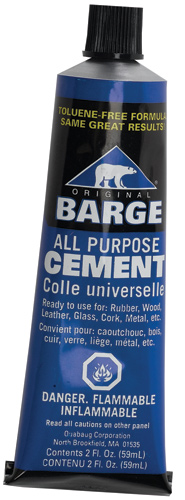
Prepare the surface of the limbs by cleaning and degreasing them. Mineral spirits or regular rubbing alcohol will work well for this. You do NOT have to rough up the surface of your bow. For snakeskin backing any bow we recommend using a quality, contact cement such as Barge Cement, which will hold well even on smooth surfaces.

Barge Cement
It’s important to use a quality contact cement
when applying snakeskin backing to your bow.

Secure your bow at the handle in a padded vise. This allows you to work with both hands and makes the project much easier. Apply a thin, even layer of Barge Cement to the surface of the bow that will receive the skin. While that is drying, apply a thin, even layer of Barge Cement to the surface of the skin that will be in contact with the bow. Allow that to dry.

Starting at the handle section, line up the center of the snakeskin’s pattern with the centerline of the bow. Touch the two glued surfaces together there and while holding the far end up and out of the way, slowly and smoothly slide your near finger over the skin, pressing it onto the surface of the bow, all the while checking for the proper alignment of the pattern of the skin. Continue until you reach the tip of the limb. Note: Once the two glued surfaces touch, they will be stuck right where they are so be careful. Repeat the gluing process for the other side but overlap the skins at the starting point in the middle of the grip and when finished laying the skin out on the limb, come back to the overlap and carefully cut across and through both skin layers at the same time with a snap-off knife or razor blade.

Snap-Off Knife
A good snap-knife is a useful tool to have on hand.

To trim the excess skin from the sides of the bow, use the same snap-knife or razor blade. Start at the grip and slide the blade along the limb, using it as a guide, cutting the excess skin as you go, all the way out to the bow tip.

To remove the scales, use a piece of leather or coarse cloth and carefully rub against the grain of the scales (from the tip towards the handle.) You will see the scales “jump” off the skin. Then with a piece of masking tape, this time going with the grain of the scales, (from the grip section to the tip section) press the tape onto the top of the skin and slowly, carefully pull it up and away from the skin. The remaining scales should come off during this operation.

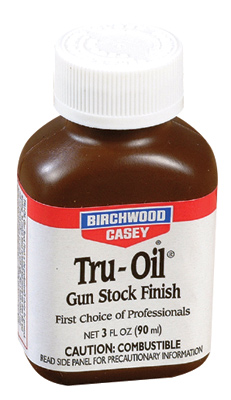
To seal and finish the skin, use Tru-Oil Finish, a gun stock finish available from many traditional archery stores. Dip your fingers into the Tru-Oil and rub it onto the snake skins, wiping off any runs or drips. Rub with the grain then give the finish time to dry. Continue this process, adding successive layers until you reach the luster that you desire.

Tru-Oil Finish
Tru-Oil Finish is made for gun stocks,
but it works equally well for bows.

Once you’re sure the finish is good and dry, take your beautiful snakeskin backed bow out and shoot it! Hey! Just because you’ve made a work of art, doesn’t mean it has to hang on the wall forever!

Keep Hunting
Dale Karch and Todd Smith

For more information contact:

3Rivers Archery
PO Box 517
Ashley IN 46705

866-587-9501

[email protected]

Archery Books and DVDs

By: Dale Karch and Todd Smith

At 3Rivers Archery we know bows. We know quivers, arrows, broadheads, points, bow and arrow making tools, outdoor gear, and much, much more. But there are other products we sell that may not initially spring to mind when considering archery gear. We’re talking about books and DVDs.

3Rivers Archery sells a wide selection of books and DVDs covering just about every archery and bowhunting topic you can think of… and quite a few you probably didn’t consider! Shooting instruction, bowhunting, flint knapping, bow building, how-to, primitive… the archery industry is filled with books and DVDs as diverse as the archers who buy them!

For the scope of this article we are limiting our discussion to two main categories of books and DVDs: “entertainment” and “how-to.” These two categories are very broad and cover most of the top selling titles we recommend.

There are bowhunters out there who virtually live to hunt. The most important thing for them in life is the experience of being out in the woods bowhunting. They want to immerse themselves in the experience every chance they get.

This is especially true in America. Americans are used to being entertained. We especially enjoy movies that inspire and excite us. It’s no wonder then that the most popular movies for bowhunters are those with intense bowhunting encounters, and lots of them. When we’re stuck at home we still want to experience the hunt, so we turn to bowhunting books and movies. While reading those books or watching the movies, we escape the confines of home and work. We experience the thrill of the chase and the essence of the hunt, including the shot, and then share the satisfaction of an animal down after “giving it our all.” It’s no wonder we crave the next new book or video!

There are also the students of traditional archery. They’ll enjoy a good hunting movie as much as the next guy, but they are not driven so much by the harvest. They are more interested in the gear, the history, and the experience of hunting with traditional bows and arrows that they made themselves. They want to know every detail of every facet of this thing we call “hunting with the traditional bow and arrow.” They love to make their own gear and are happy to pay for sources of this kind of knowledge. They want to know everything. If it’s traditional archery, they want to know how to do it. They want to read about it, watch it on TV, and do it themselves.

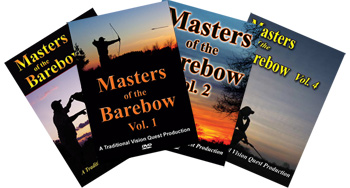
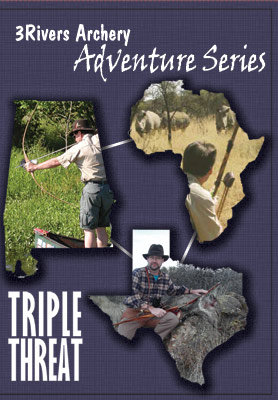
What are the books and video titles that appeal to the traditional bowhunter? The selection is tremendous these days. Among our most popular entertainment films are: the Traditional Harvests series from Fred Eichler, the Masters of the Barebow Series from Traditional Vision Quest, and our own 3Rivers Traditional Adventure Series.

Fred Eichler's Traditional HarvestsMasters of the Barebow Series3Rivers Traditional Adventure Series
DVDs such as the Masters of the Barebow series and 3Rivers Adventure Series have a lot to offer the modern bowhunter.

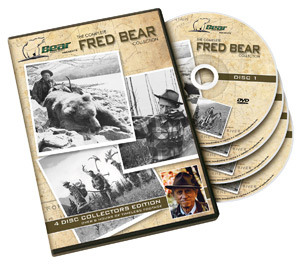
In addition to these newer, modern day films there are also many vintage videos available. All bowhunters enjoy watching old bowhunting footage from days gone by. For instance many titles come in the Fred Bear Collection which features many of the famous hunts of one of the world’s most legendary bowhunter.

The Complete Fred Bear DVD Collection
Thanks to DVD technology, bowhunting enthusiasts can
re-live these classic Fred Bear hunts.

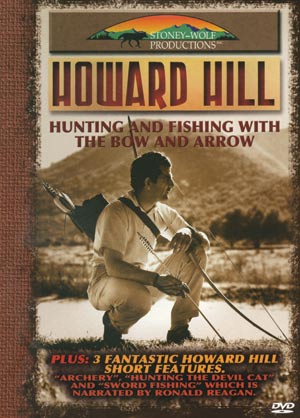
Speaking of legends, don’t forget the legendary Howard Hill and his bowhunting classics, The Last Wilderness, Hunting and Fishing with the Bow & Arrow, and Tembo. They are as exciting to watch now as they were “back in the day.” There are many more excellent titles out there. Suffice to say, you should have no problem finding plenty of first-rate entertainment titles to keep your blood pumping and your spirit soaring.

The Last Wilderness with Howard Hill DVDHunting and Fishing with the Bow and Arrow by Howard Hill DVDHoward Hill's Tembo! DVD
The legendary Howard Hill lives on in these exciting DVDs.

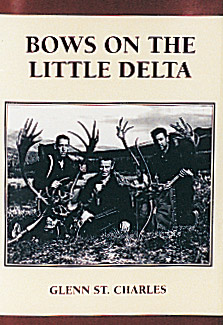
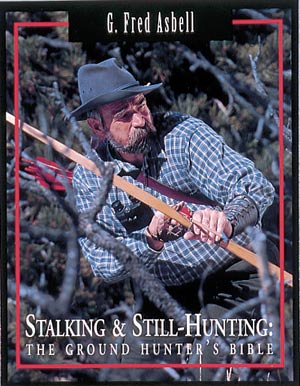
What about books for the bowhunter, books that recount hunts of old, or teach traditional hunting techniques? Again, there are more titles than we could possibly list, but we’ll mention some of the most popular. This time we’ll start with the classics. The first that comes to mind is a treasure of vintage traditional archery history and Alaskan bowhunts found in the book, Bows on the Little Delta by Glenn St Charles. Also at the top of the list are these excellent works: Art LaHa Northwood’s Legend by Dorothy Uthe, Fred Bear’s Field Notes by Fred Bear, and. Then, a few titles of more modern works: Come November by Gene Wensel, Longbow: A Hunting Life by Jay Campbell, and Stalking & Still-Hunting: The Ground Hunter’s Bible by G. Fred Asbell. All of these titles appeal to traditional bowhunters and, more often than not, wind up in their personal libraries.

Bows on the Little DeltaCome November BookStalking " Still-Hunting: The Ground Hunter's Bible
From Glenn St. Charles and Saxton Pope to Gene Wensel and G. Fred Asbell,
today’s archer has many choices in bowhunting books.

Traditional archery involves many special skills. Arrow building, Flemish string making, bow building, target shooting, beating target panic, bowhunting, flint knapping and more. The thirst for knowledge burns in the hearts of all archers. They’re on a need to know basis, and they really need to know! There is an appearance of simplicity on the surface of traditional archery that belies the subtle depth and complexity available to those who want to venture more deeply. Shooting and hunting with the stick-and-string is simple yet there are many opportunities for making your own gear, delving into the history, or of branching into the primitive side of archery.

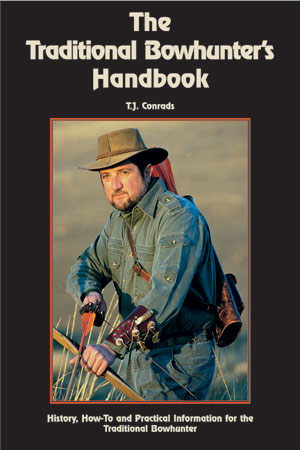
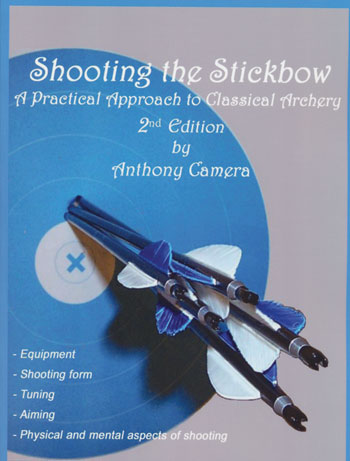
Many traditional archers are interested in making their own bows, bow strings, arrows, etc. Thousands of books and videos have been sold on the topic of “how to shoot traditional bows.” Our best selling videos on the topic are: Masters of the Barebow Series from Traditional Vision Quest, Tuning for Extreme Accuracy by Byron Ferguson, Instinctive Shooting by G. Fred Asbell, Become the Arrow by Byron Ferguson, and Dead-On Traditional by Scott Antczak. Traditional shooting books include popular titles such as: The Traditional Bowhunter’s Handbook by T.J. Conrads, Instinctive Shooting Volume Two by G. Fred Asbell, Shooting the Stickbow By Anthony Camera, and Become the Arrow by Byron Ferguson.

Become the Arrow by Byron FergusonThe Traditional Bowhunter's Handbook by T.J. ConradsShooting the Stickbow
Byron Ferguson and TJ Conrads are among the experts contributing to traditional shooting DVDs and books.

What about target panic? Ever heard of it? A high percentage of traditional bow shooters battle target panic. The best target panic book is Instinctive Archery Insights by Dr Jay Kidwell.

Instinctive Archery Insights
All the help you need to battle target panic.

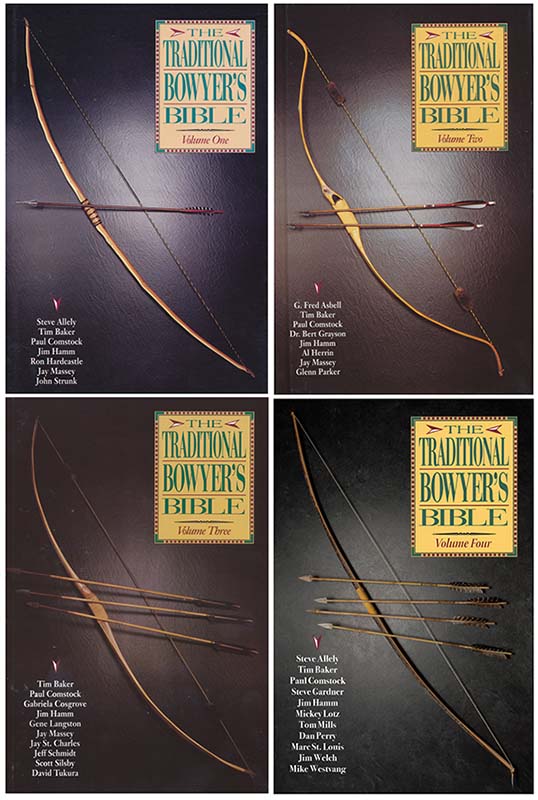
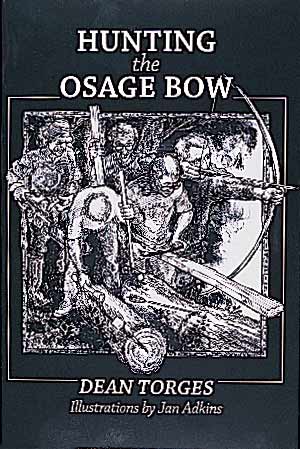
Bow building is huge in traditional archery and so is the selection of good books and videos on the topic. Among the best books are: The Traditional Bowyer’s Bible Series Volume 1, Volume 2, Volume 3 and Volume 4 by Jim Hamm and friends, and Hunting the Osage Bow by Dean Torges.

The Traditional Bowyer's Bible SeriesHunting the Osage Bow Book
The Traditional Bowyer’s Bible series is a traditional archery treasure… a great read for the entire family.

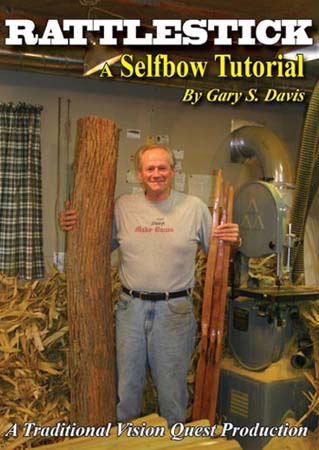
What about DVDs for the budding bow builder? Our favorites are: Rattlestick: A Selfbow Tutorial by Gary S. Davis, Hunting the Bamboo Backed Bow by Dean Torges, and Making A Wood Bow by Mark Keller.

Rattlestick: A Selfbow Tutorial DVDHunting the Bamboo-Backed Bow with Dean Torges DVDMaking A Wood Bow DVD
Gary S. Davis, Dean Torges and Mark Keller are among the master
craftsmen who have preserved their wisdom on bow building DVDs.

Even though arrow building is a huge portion of the traditional archer’s need, no comprehensive book is available on the subject. There are however excellent chapters in the
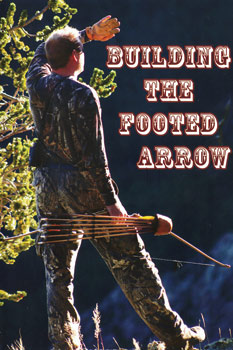
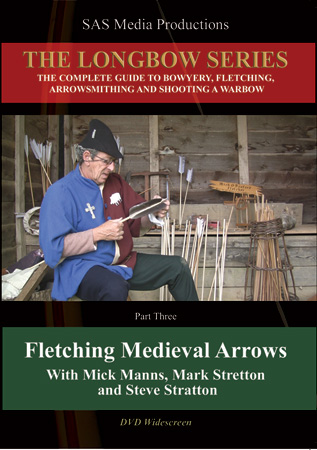
The Traditional Bowhunter’s Handbook by T.J. Conrads, and Instinctive Shooting Volume 1. There is excellent DVDs available on the topic. For standard arrow building try Crafting Traditional Wood Arrows by 3Rivers Archery, or Building the Footed Arrow by Gary and Connie Renfro. For primitive and medieval arrows checkout Native Arrows and Points by Thad Beckum, or Fletching Medieval Arrows by Master Fletcher Mick Manns. These DVDs takes you through the entire arrow building process from start to finish and is a “must-have” resource for those just getting started in arrow building.

Crafting Traditional Wood Arrows DVDBuilding the Footed Arrow DVDFletching Medieval Arrows DVD
No matter what type of arrow you are building, we offer a DVD that will help you with building it.

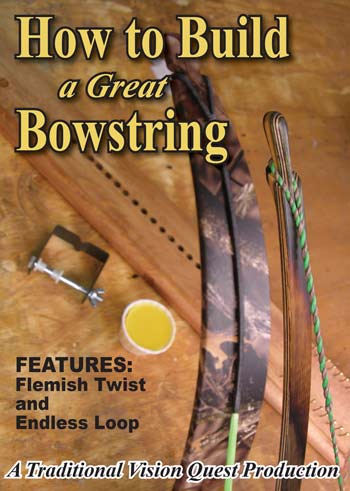
Flemish twist bow strings are another topic that is covered by two excellent DVDs. Crafting Traditional Flemish Strings by 3Rivers Archery features Byron Ferguson and Dale Karch and explains everything a new string builder needs to know to make his own Flemish strings. How to Build a Great Bowstring is narrated by pro string builder Chad Weaver and IBO champion Rod Jenkins, who use there nearly 50 years of string building experience with more than 10,000 built bow strings made to teach you how to build 2-bundle and 3-bulndle Flemish twist bow strings and an endless loop bow string.

How to Build a Great Bowstring DVD
Do-it-yourselfers can also benefit from these great bow string building DVDs.

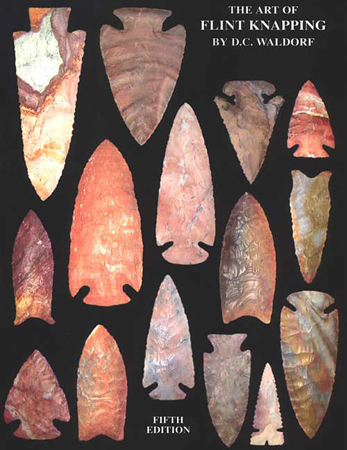
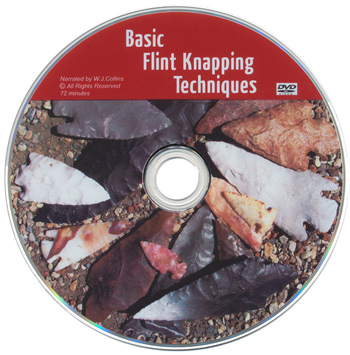
Flint knapping is a primitive phenomenon. There are excellent books and DVDs available that describe it in detail. The best book is The Art of Flint Knapping by D.C. Waldorf, along with the Art of Flint Knapping Companion DVD. Checkout a few of our other favorite DVDs on Flint Knapping: Working Obsidian by D.C. Waldrof and Basic Flint Knapping Techniques narrated by W.J. Collins. These book and DVDs open a new world to many aspiring flint knappers.

The Art of Flint KnappingWorking ObsidianBasic Flint Knapping Techniques
Flintknapping has roots in prehistoric times, but it also has a modern following.

In this limited space we have only scratched the surface of the many books and DVDs available to today’s traditional archer. There are literally thousands of titles to choose from. That means there are thousands of ways to keep your archer’s spirit alive, even when you aren’t in the woods or on the range!

Keep Hunting
Dale Karch & Todd Smith

For more information contact:

3Rivers Archery
PO Box 517
Ashley IN 46705

1-866-587-9501

[email protected]

3Rivers Archery Techs – Dave

Get to Know Our Techs: Dave

Dave, a Tech at 3Rivers Archery
Dave from 3Rivers Archery


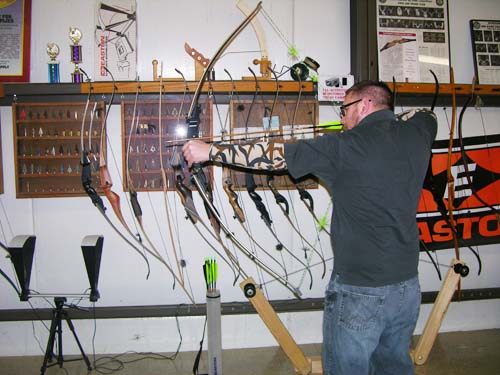
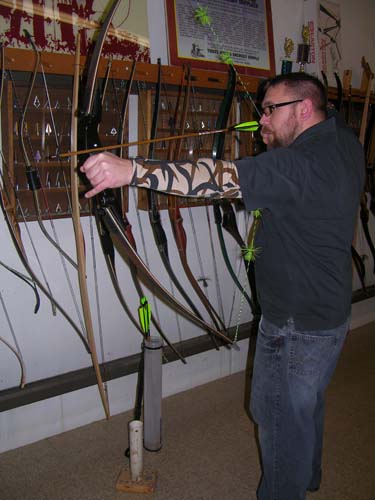
Dave testing out his set up on the 3Rivers Archery indoor range.

Q. What bow do you shoot?
I shoot a DX5 longbow 62″, 50# with black riser and Woodland Camo limbs. I made a 12 strand string made of Dyna-10 with BCY #62 braided center serving, .025″ diameter. I shoot 3-under using the Fred Eichler 3-under tab. My arrows are Traditional Only 400 with 125 grain field point. I 3-fletched my arrows with 5″ feathers. For indoor practice, I use the Easton Arrow Tube. When stump shooting, I use the Safari Tuff Arrow Master side quiver.

Q. How many hours do you spend shooting? Do you have a training routine?
I try to spend a half hour per day shooting my longbow. I believe if you walk yourself through the shots and spend time making quality shots, you actually get more accomplished. Since there is still snow on the ground, I spend most of my shooting sessions indoors. This allows me to really focus on perfecting my form. I walk myself through each step of the shot. First, I pick the spot on the target that I am aiming for. Then I raise my bow and arrow up as if I was pointing my finger at the spot I want to hit. I draw my bow back to my anchor point and release. The most important part is to relax the string hand and allow the bow to do the work. As the weather warms up, I spend the majority of my time stump shooting. I focus on perfecting my shot from different distances. Doing so helps improve accuracy with yardage estimation. The skill of yardage estimating will be beneficial during hunting season.

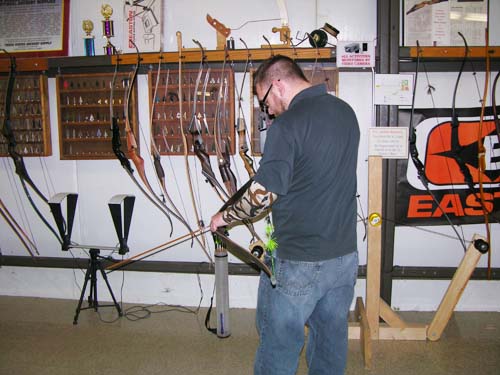
Dave testing out his set up on the 3Rivers Archery indoor range.
Q. How many practice arrows do you use?
For indoor practice, I only use one arrow. In a hunting or target situation, you only have one shot. With only one arrow on the range, I can focus on quality shots and not groups. When stump shooting, I have a tendency to break more arrows, so I carry at least 6 arrows in my quiver. I still try to follow the “one arrow” method so I can focus on consistency and the shot.

Q. When do you start practicing with broadheads?
Truthfully, I don’t practice with broadheads. I test them to ensure good arrow flight. After I purchase my broadheads, I test one broadhead and shoot it about a dozen times. As soon as I am confident that they fly the same as my practice arrows, I go back to practicing with field points.

Dave setting up his DX5 Longbow

Q. Is there anything you do outside of archery to stay in shape?
Luckily, I am fortunate enough to have a place to shoot year round. If you don’t have a local indoor range, I highly recommend the use of the Bow Fit Exercise Tool. It is a great to keep you in shape for shooting your bow.

Q. What do you do differently during off season than during hunting season?
During hunting season, before I get out the stand, I shoot a practice Judo point at a leaf to maintain confidence that I can hit my target. I also add a Quick Lok Arrow Holder to my bow. This helps to hold the arrow on the shelf when I hang the bow on the tree.

Q. During the off season, besides practice, how else do you prepare for the hunting season?
In the off season, I spend a lot of time building arrows and building extra bow strings for myself and my friends.

Q. What’s your favorite part about being Tech at 3Rivers Archery?
My favorite part about my job is being able to talk to different people every day while sharing our passion for Traditional Archery.

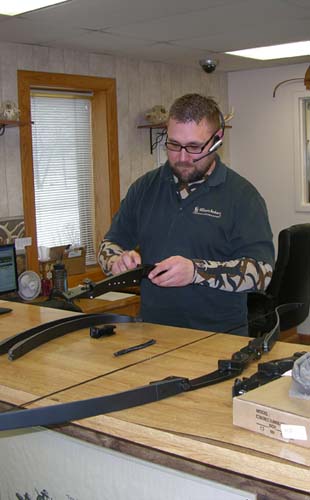
Dave working at his desk at 3Rivers Archery
Have questions for Dave and our other techs? Call our Tech Line Toll Free at 866-587-9501!
For more information contact:

3Rivers Archery
PO Box 517
Ashley IN 46705

1-866-587-9501

[email protected]

GrizzlyStik Carbon Arrows


GrizzlyStik Carbon Arrows Ad

GrizzlyStik carbon arrows were designed to be the most efficient, hardest hitting, and deepest penetrating carbon arrows ever offered to the bow hunting community. For years these heavyweight carbon arrows have proven themselves on all manner of big game. The GrizzlyStik, like its name sake the Grizzly Bear, has proven itself as being as tough as it gets in any situation. From whitetails to lion, bison to buffalo, there’s nothing tougher than a Grizzly!

Hero Shots using GrizzlyStik carbon arrows

GrizzlyStik carbon arrows are heavy, hunting arrows with one single purpose, to penetrate any game animal for quick, humane kills. The success of heavy arrows has been proven for hundreds of years. The theory is simple but the technology is state-of-the-art. Besides having one of the heaviest grain weight per inch of any carbon shaft available, GrizzlyStik arrows are the only carbon arrow shaft that uses Continuous Taper Technology.

Slow motion photography shows us when an arrow is shot from a bow, it bends. The sudden acceleration at the shot causes bending which is called archer’s paradox. The GrizzlyStik, because of its continuous taper design, has less weight on the rear of the arrow enabling it to recover quickly from this bending. The quicker the recovery, the more energy stays in the arrow. Additionally, very little thought is given to what happens to an arrow at point of impact. Upon impact the meaty front end of a GrizzlyStik carbon arrow resists bending and forces the energy forward rather than wasting it with side to side movement. Side to side movement causes friction and drag which reduces penetration. This feature alone would make GrizzlyStik arrows the best choice in a hunting arrow but there’s more.

GrizzlyStik arrows shoot from any kind of bow and a wide range of bow weights. Offered in four different spines from 450, 330, 250, and 175. Bowhunters are able to perfectly tune one of these spines and any point weight to their hunting bow. From longbow, recurve, to compound.

GrizzlyStik Momentum U-FOC carbon arrow shafting

GrizzlyStik arrows, with their translucent amber-brown hue, are unlike other carbon arrows that are made of stacked layers of unidirectional carbon fibers, they’re the only carbon shaft using a proprietary Nano Carbon infused woven carbon construction. This material has extremely strong cross directional and impact strength, making the GrizzlyStik nearly indestructible, and is lighter and stiffer for using with heavier point weight for Ultra Forward-of-center (FOC) performance.

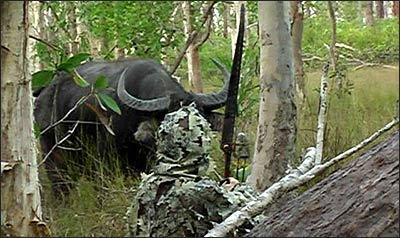
Hunting Dangerous Game Buffalo with GrizzlyStik carbon arrow

Try a six-pack of GrizzlyStik carbon arrow shafts today, we feel they’re an excellent choice for all bowhunters whether shooting longbows, recurve bows, or even compound bows. When it’s you or them, don’t settle for less than the original GrizzlyStik!

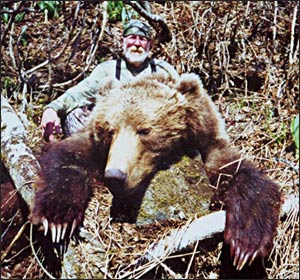
Grizzly Bear shot with GrizzlyStik carbon arrow


For more information contact:

3Rivers Archery
PO Box 517
Ashley IN 46705

1-866-587-9501

[email protected]

Setting Up An Archery Range

by Johnathan Karch

So Where Do I Go To Shoot My Bow?

You have a lot of options as far as targets for your outdoor range.
I find that one of the toughest issues for new archers is not what bow or arrows to get, but where are they going to shoot? Not everyone has a local archery range that they can stop by anytime to shoot.

A great solution is to set up a home archery range in your backyard, barn, basement, etc. This option avoids range fees, crowded shooting lanes, and allows you to select your own shooting distances.

Setting up an Indoor Range

The Hips NASP Target.

For those living in city limits, you need to check with your local ordinances to see if you can shoot in your backyard or not. If you cannot shoot in your backyard, some people find their garage or basement to be a good alternative. The backstop is the biggest item to invest in when setting up an archery range. The Shield backstop is a great option as they are easy on arrows and very durable. The Shield offers a hanging rack too, which holds it properly and fits most places, including outdoors.

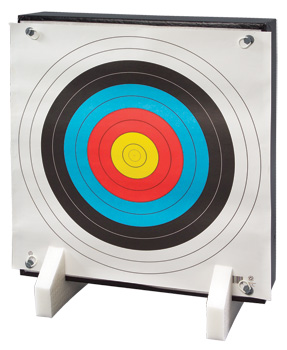
For shooting indoors, the best targets are block and 3D targets. They can stand alone and arrows stick in them well. Some 3D targets may be a bit too big for your range, but a block target like the Morrell Yellow Jacket is a great size for shooting. Paper targets offer more variety at a better price compared to other targets, but require a backstop you can shoot into. A great backstop-and-target-in-one is the Rinehart NASP Archery Target.

Setting up an Outdoor Range

3Rivers Archery Owner Dale Karch gets in some target practice with 3Rivers VP of Operations, Teresa Williams.
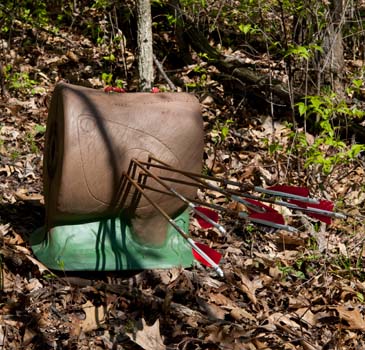
With limited space and the risk of damaging property or people, indoor shooting is not always ideal. For those with the space and opportunity the backyard outdoor range is most ideal shooting situation. There are a variety of target options for the outdoor range from 3-D animal targets, bag targets that can be placed on the ground or hanging, or 2-D target faces that come in a variety of animals or spot targets for scoring. A good target back stop should always be considered with any target regardless of the shooting situation and the Shield backstop is also a solution for outdoors as well as it was indoors. If you have the space, placing a large pile of sand or dirt behind your target will stop arrows as well.

Many bowhunters will prefer a good quality 3-D target like the Rinehart Woodland Buck for practice. The Woodland Series of targets are resistant to sun, moisture, and temperature and have a replacement vitals section for shooting broadheads which make them the choice for many backyard ranges. The small Rinehart RFT ball is another excellent range target that is extremely durable and fun. They can be hung from a cord to be a moving target or tossed on the ground at various distances for creative target that keeps shooting interesting.

The Delta McKenzie Arrowstop round target is a perfect choice for the non-animal target in any backyard situation. Many of us have seen these at summer camps and high level shooting events and provide solid recognizable shooting surface. They are easily score-able and with replaceable faces they can last for many years.

2-D faces are the most economical targets if you have the appropriate surface to mount them on. Available target platforms like the for mentioned Hips Target or improvised platforms like layered foam or carpet strips or even bales of straw are great for placing paper faces on. Faces can be replaced often to keep them fresh and new.

The Range is Set, Now What?

3Rivers Archery VP of Sales & Marketing gets in some time on the 3Rivers Archery range with Inventory Manager, Ashley Sunday.
You have everything you ‘need’ to get shooting at home now. Having a few extras on hand can make your shooting more enjoyable. One extra accessory that makes the difference shooting outdoors is a bow and arrow holder. Also having an arrow retrieval tool will help with finding lost arrows, if you ever miss the target that is.

For those shooting in the woods, the chance of hitting a tree is high, even for the best of shooters. A sturdy arrow puller will save you time, money, and stress.

Shooting your bow at home is great fun, and you will really see an improvement in your shooting if you are able to get into a good routine. Be sure to shoot with family, or invite friends over to shoot with you, as archery is a sport everyone can enjoy. For those looking for others to shoot with, check for local archery shoots in your area. Asking local archery stores or searching for ranges online can be a big help.

Straight Shooting,

Johnathan Karch


For more information contact:

3Rivers Archery
PO Box 517
Ashley IN 46705

1-866-587-9501

[email protected]
or check us out on-line at 3RiversArchery.com

Bow Fishing with Longbows and Recurves

3Rivers Archery Staff Loves Bow fishing

Bow Fishing is one of bow hunting’s most exciting and addicting pursuits. Hunting fish with a bow and arrow is action-filled and a perfect activity for introducing almost anyone, regardless of age or gender, to hunting with the bow and arrow. As a sport in the U.S., it has been around for decades. Fred Bear, of Bear Archery fame, helped popularize it in the 1950’s – 1960’s, and introduced many of the bow fishing products still in use today.

In the last 10 years though, bow fishing equipment has reached a whole new level, both in gear advancements and sheer numbers of archers participating in the sport. Much of the ‘old’ equipment is still in use, which speaks well of the simplistic efficiency of design and effectiveness. The more recent developments have been in high-end hybrid arrows, line attachment systems, and reels. Today, anyone interested in bow fishing with longbows or recurves can be as primitive as they wish, or as advanced as any other bow fisherman out there. Today bow fishing gear is available from the simple to the complex. Traditional bows, longbows and recurves, are perfectly suited to the rigors and demands of bowfishing and are actually the weapons of choice for many serious bowfishing enthusiasts. Today we’ll discuss gear selection for bow fishing with longbows and recurves.

Getting Started, Bow Fishing Gear

Let’s start simple. First, you’ll need a bow. In bowfishing, most shots are taken quickly at fish partially hidden or on the move. The natural point ability and smooth drawing characteristics of longbows and recurves make them perfectly suited for those situations. With traditional bows, you’ll be able to draw, swing, and shoot in one fluid motion. Depending on what fish you’re after, they may be close to the surface or three or more feet down. The refraction phenomenon that makes fish appear closer to the surface than they really are forces the shooter to aim lower than they think. (Depending on the depth of the fish, sometimes much lower.) It’s pretty easy to change your sight-picture when shooting an old recurve instinctively. In contrast, many bowfishing archers find that sights hurt more than they help. They’ve come to realize that when bowfishing, leave the sights at home. Besides, equipment used in bowfishing gets used hard, subjected to getting tossed around in a boat, dropped in the water, and other rough treatment. It’s easy to understand that many bowhunters choose to use a low-cost longbow or recurve instead of their fine-tuned big game bow hunting set-up. An old second-hand recurve picked up at a garage sale is perfect. The initial investment is low and you won’t have to worry about the bow taking a beating. Besides, you’ll be having too much fun to notice.

What kinds of bows? If you’re fishing from a boat, nothing beats a short recurve. The Bear Archery Super Mag 48″, and the Bear Archery 52″ Kodiak Magnum, both from Bear archery are perfect for this kind of bowfishing. Their short length allows you to shoot from a more natural position and you won’t have to be constantly distracted by watching your lower limb to keep it from hitting the side of the boat upon release. Whether you find a good deal on a nice old bow or invest in a new one, get ready to enjoy some of the most fun you’ll ever have with a bow in hand.

Choosing the Bow Fishing Reel

Next is the reel. When it comes to reels there’s quite a gap between the tried-and-true simple spun-aluminum reels that have been around for over 40 years and the modern Shakespeare Synergy and AMS Retriever® Pro reels. They all work well, but you’ll have to decide how serious your bowfishing will be and how much you want to spend getting set up.

There are two basic types of the spun-aluminum fish reels. The screw-on reel mounts to the front stabilizer bushing on your bow (if it has one), and the other reel is the tape-on bowfishing reel. They’re simple in design, extremely easy to use, dependable, and last for years. They’re basically a spool with a flared back and a rounded front. You tie your line tightly around the spool then wrap it ’round and ’round until you’ve filled the spool. Fifty feet of bow fishing line is normally all you’ll need. There’s a little clip at the top of the reel that holds the line in place until the force of the fish arrow launching from your bow pulls it out. The tape-on reel is actually still quite popular because it’s so easy to install. Tape it on and your ready to fish. When you get back home, just cut the tape and put the reel away. Pretty simple. Note: Install some leather, rubber, or other cushion under the metal attachment points so you won’t mar your bow’s finish. The screw-in reel is still the best seller though. The fact that it fits almost any bow on the market and retails between $15.00-$30.00 might have something to do with that. The truth of the matter is, these reels really do anything you need for small to mid-sized rough fish and that makes them pretty hard to beat.

From the basic reels it’s a big jump to the next level. You really don’t NEED the high-dollar models, but they work so well it’s hard to say no, especially once you’re hooked on bow fishing. Bow fishing enthusiasts have been hunting fish with big closed face, push-button reels for many years. As a matter of fact, for a long time the big Zebco reel on a screw-in reel-seat was the standard set-up for all serious bowfishing. In the beginning, you’d see some pretty crude homemade set-ups, and they had their share of tangles, snags, and other problems. Today, with commercially available reel seats and reels specifically designed for bowfishing you can rely on your gear to get you though many years with little or no trouble. The Zebco 808, with its adjustable drag, BIG string opening, and heavy-duty crank is popular for all kinds of bowfishing. If you go to any of the big bowfishing tournaments you’ll see many contestants shooting the Zebco set-up.

The AMS Retriever® Pro reel is arguably the finest bow fishing reel available. The most valuable feature is the
fact that the Retriever reel is always ready to shoot. Just ask anyone who has ever forgotten to push the release button on the Zebco, then shot at a fish and lost an arrow. On the conventional fishing reels, the line is released by pressing a button, but on the AMS Retriever® Pro reel the line is always released unless you’re pulling on the front engagement lever while you reel in your line. There’s noting to remember when you shoot. If you see a fish, shoot. If you try to reel it in and notice that the reel is just spinning, that’s when you’ll remember to pull the engagement lever in. As soon as you do, the line feeds in. It’s an excellent innovation. Line storage is unique in the Retriever reel as well. Instead of the line being wrapped on a spool the reel utilizes a plastic bottle. As you reel in the line, it simply stacks inside the bottle and even looks like a tangled mess from the outside. In reality, it’s an almost zero-drag shooting situation. When you release your fish arrow, the line screams out of the bottle. You’ll be able to shoot further than ever before. We’re in Indiana so we hunt mostly carp and needle nosed gar, for our conditions we feel the AMS is the best reel you can get. The Pro model is also corrosion resistant and the toughest bow fishing reel available. The quick adjust clamp makes setup and adjusting easy on your bow. Also features a built-in quiver for securing your bow fishing arrow when not in use.

So how do you attach your reel to your bow? As we mentioned previously, if you’re using the basic tape-on reel, you’ll simply tape it on to your bow so the drum is just under your bow hand, but not in the working portion of your lower limb. All the other reels are designed to screw on to your bow. In the 70’s and 80’s, almost all recurves came with front stabilizer bushings installed, but if you buy a new one today, chances are, you’ll need to install your own or pick up one of the commercial adapters. Bushing installation is relatively easy and once it’s done, you’re set for life. Then again, if you’d rather not drill any holes in your bow, there are strap-on adapters available. The Great Northern Traditional Gadget Adapter is specifically designed for longbows and recurves and accepts any conventional screw-on style reel or reel seat. Strap the adapter to your bow, screw your reel or reel seat to it, and you’re ready to go. AMS, one of the big boys of bowfishing offers their own version of a strap-on adapter, called the AMS Traditional Mount. It’s a coated metal arrangement with the same straps as found on the Great Northern product. The AMS mount has the added benefit of allowing the use of the AMS Retriever® reel as well as conventional reel attachments. Either of these adapters will save your from having to drill your bow and will work perfectly with their intended reels.

The Bow Fishing Arrow

When it comes to arrows for bowfishing with traditional bows nothing beats the venerable solid fiberglass fish arrow. The basic solid fiberglass fish arrow is still the workhorse of bowfishing everywhere and accounts for more fish every season than any other material. These heavy arrows punch through fish with authority and they can take a beating from fish thrashing around. Longbows and recurves shoot these heavy arrows well, so there’s no real advantage to invest in some of the lightweight high-tech arrows now available. You can pick up fish arrows either all set up and ready to go, or, you can buy the raw shafting then mix and match bowfishing points until you find a combination works best for you and the fish you hunt. You can’t go wrong with the tried and true solid fiberglass for all bowfishing with traditional bows. Note: Buy several, you don’t want to run out.

When discussing arrows we need to mention the AMS Safety Slide. When a bow fishing arrow is tied directly to the fishing line it’s possible for the line to snag as the arrow is in flight and if it does the arrow can snap back right at you. The safety slide keeps all the line in front of the reel and virtually eliminates that problem. We suggest you use them for your own safety.

Always carry extra bow fishing arrows. Take it from those of us who’ve learned the hard way. Imagine you’re having a blast, the carp are boiling on the surface and your line breaks with a fish on. You watch as your only arrow swims away. What now? Go home? Don’t let it happen to you. Carry extra fish arrows with you. How many depends on your tolerance to risk. If you think three will get you by, then take three. We normally take between three and five. Your extra fish arrows can be carried in a back quiver, your normal bow quiver, or you could rig a special quiver just for bowfishing. Regardless of the quiver you decide to use, make sure to have extra fish arrows with you every time you go out.

Have you ever seen how many bow fishing points are available?

Let us help out some here. A fish point has to penetrate and hold fish until you land them, then you want to be able to remove the point quickly. Price matters when selecting bowfishing points because this is one instance where you are paying for performance and speed. The Fin-Finder Big-Head Pro point is on the low end of the price range and they work well enough, but the entire tip needs to be totally unscrewed and removed from the arrow before you can pull it free. Then you have to screw it back on before you can get back to fishing. It’s a good low-cost option, just slow. When the fish are all around and everyone else is pounding them, it’s frustrating to have to mess with that kind of point. Then come points like the AMS Mayhem™ Bowfishing Point and Bohning Ruff Neck Ultra fish point. They’re faster and when you shoot a fish, two barbs that lay close to the body of the point when shot spread out when in or through a fish and open wide. They stay in that open position as long as there is resistance against them. Once you land your fish a couple quick turns of the head allows the barbs to extend backwards and the fish is easily removed. They’re a bit more money, but well worth it if you are serious about your bowfishing. Which point then is best for you? If you’re just getting started, why not start with the Fin-Finder Big-Head Pro point? The low cost helps when you’re buying all your gear at once and they work well. Once the excitement of bow fishing grabs you, you’ll want to try the better points, you may just jump to the top of the line. The good new is, they all work well. You can’t go wrong with any of the heads we’ve mentioned here.

One thing about a good day of bowfishing, it’s fun but it’s also wet! If you’ve been out there amongst them, you know how hard it can be on your favorite shooting glove. This is where the No-Glov is a glove-saver. In case you’re not familiar with them, a No-Glov is a set of rubber cylinders that slide onto your bow string and cushion your fingers. They are impervious to water and once installed on a bow set up for only bow fishing, you never have to worry about losing or damaging your good shooting glove or tab. They are cheap and are a perfect solution to the fish hunter’s finger protection dilemma. Some folks even set up a string just for bow fishing and install the No-Glov on it. That way by simply swapping strings you can instantly go from bow hunting to bowfishing. Note: Just as important as carrying extra fish arrows, carry an extra bow string.

(Click arrow to view DVD)

If you’re new to the sport and you don’t have anyone nearby to teach you the ins and outs you’ll find the bow fishing section of 3Rivers Archery Adventure Series Triple Threat DVD very informative. The bow fishing section was produced for those just getting started in bow fishing. The first 15 minutes or so we cover longbow and recurve set-up followed by bout a half an hour of bow fishing action with longbows and recurves. It’s an excellent DVD featuring Dale Karch, Byron Ferguson, and Byron’s two sons Zach and Shawn. With how-to information and bow fishing action it’s easy to understand why it’s a best seller.

Now that you’ve got all your gear it’s time to head out and go fishing. Once you get to your fishing spot it’s a good idea to take several practice shots so you can get used to the feel of your set-up and the trajectory of the heavy fish arrows. Remember to aim low! Always wear a pair of polarized sunglasses, they cut the glare and you not only see the fish better, you’ll catch fish moving that you would have otherwise never seen.

When you land your fish you’ll need to dispatch it with a sharp blow to the back of the head. We’ve seen everything from a big stick to a 16 oz hammer used for this. Use whatever you’re comfortable with. Since most areas won’t allow you to leave the fish there, bring a big cooler or trash can with a tight fitting lid for transporting your fish back home. Once home you can bury them in your garden. Some lakes have public disposal containers you can use. If they do, you can deposit there. Just don’t leave them behind.

Imagine, you’re walking the edge of the water and you spot a carp swimming by, but you’re ready! Your recurve comes up quickly and your eyes concentrate on the fish, you draw back, aim well below the fish and release. The water boils and you see your arrow dancing, about a foot of it showing above the water. You start pulling him in but he fights. The adrenaline dumps into your system and by the time you get the fish to shore you’re shaking with excitement. You’ve landed the fish but you’re the one who’s hooked! Once you experience bow fishing, it’s a life-long pursuit. Do yourself a favor and try bow fishing this season. Don’t miss out on the “heart pumping” excitement opportunity swimming in a pond, lake or river near you. If you want to get your kids away from the video games, take them along. Boys and girls alike, enjoy the excitement of bowfishing. Get them hooked while they’re young!

For more information contact:

3Rivers Archery
PO Box 517
Ashley IN 46705

1-260-587-9501

[email protected]

Traditional Archery Accessories

By: Dale Karch and Todd Smith

Tomahawk Bow with Woodsman Broadheads Cover Shot
Fill in the gaps in your archery gear with some essential archery accessories.

Who can resist the beautiful woods and graceful lines of a fine custom recurve or longbow? Or, how about handcrafted, all-leather back quivers filled with stunning wooden arrows? These are the items that normally get all the press. Magazines are filled with them. These eye-candy items literally jump off a page and scream, “Look at me!” “Read this!” There’s a good reason for that. People like reading about traditional equipment. They look at the pictures and dream of owning such classic gear. But it doesn’t matter how much top quality, beautiful, custom traditional archery equipment you have. To get the most out of your archery gear, you have to have the proper archery accessories to back them up! The small items like string silencers, string keepers, and bow tip protectors. Traditional bow accessories are available in many versions, styles, and types. Today we’ll share with you the accessory items we feel will best enhance your traditional archery experience.

Traditional archery accessories fall into several categories. The two main categories we’ll cover today are archery accessories for your bow, and archery accessories for your bow string. Archery accessories for your bow include: bow grip materials, arrow rests & plates, arrow holders, bow tip protectors, string keepers, vibration dampeners, bow stringers, and camo bow socks.

For the bow string it’s: string silencers, brush buttons, string wax, and a unique little tool called the string separator.

The selection of bow grip materials is varied but the top sellers are the “Shur-Grip” and the adhesive-backed leather grips. The Shur-Grip is a seamless rubber tube that rolls onto your longbow (and some recurves) and stretches to fit the curves of the grip like a skin-tight glove. These grips offer a solid non-slip positioning in the hand, they’re impervious to water or snow, they’re easy to install, and they’re reasonably priced.

Tip: A trick to installing these on recurves with a little more mass on the riser is to roll them up like a doughnut and over a short piece of parachute cord. Then when you get to the largest section of the riser, you can use the rope like a flexible lever and force the Shur-Grip up and over the largest section of the riser.
These grips have a universal appeal and you’ll see them on bows being shot by both the new modern-traditionalist and the older classic-traditionalist.
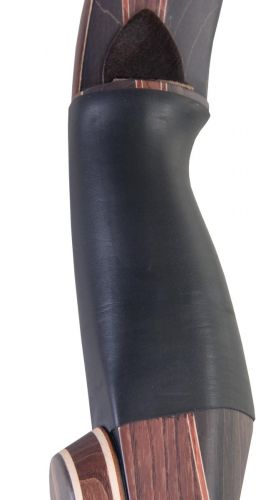
Shur-Grip Non-Slip Bow Grip
The Shur-Grip bow grip is easy to install and is reasonably priced.

Next in line is the adhesive-backed suede bow wraps. This one appeals more to the classic-traditionalist but its versatility makes it popular with all archers. Not only can you use this item as a bow grip material, but you can use the scrap for arrow rests and plates. To install the adhesive-backed grip, start by the bow shelf and slowly wrap the leather bow wrap around your bow grip leaving about 1/2 an inch showing of the wrap as you go down. You can trim to fit your grip, so no need to use all of it if you do not need it.
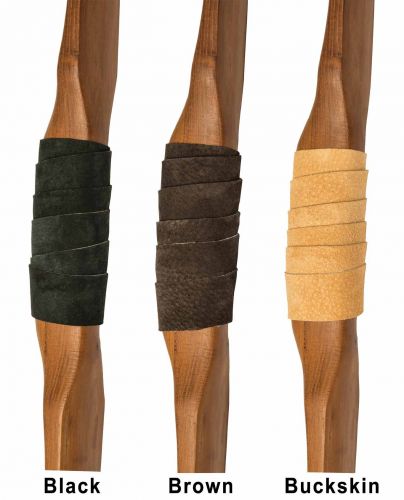
Leather Bow Wrap grips
The adhesive-backed leather wrap bow grips are not only great bow grip material, but the scraps can be used for rests and plates.

When it comes to arrow rests and arrow plates the selection is vast. To clarify, the rug rest is a pad that is installed on the arrow shelf, the little ledge on the side of a longbow or recurve where the arrow rests. The “arrow plate” is installed on the side of the sight window, right where the arrow rubs against it during the shot sequence.
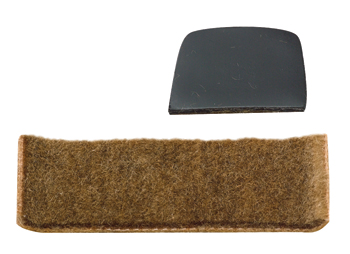
Bear Archery Rest and Plate
The selection of arrow rests and arrow plates is vast.

Not many classic longbow and recurve shooters shoot elevated rests anymore. However, there is one worth mentioning, the Super T-300 Flipper Rest. It does enjoy a loyal following, and can be used on any longbow or recurve bow and even on some compound bows, but the majority of traditional shooters use rests and plates of rug, calf hair, or leather materials.
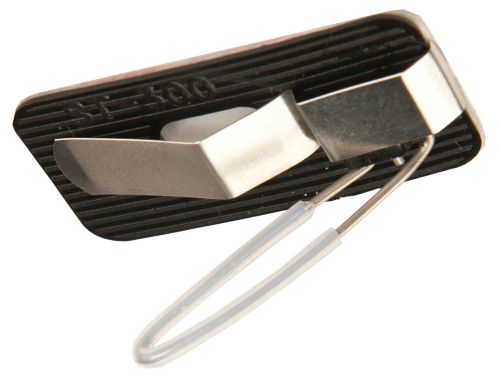
AAE Super T-300 Flipper Rest
Not many classic-traditional shooters use elevated rests, but the Super T-300 enjoys a loyal following.

The Calf Hair Rest and Plate is one of our all-time bestsellers in this category. It is adhesive-backed for easy installation. You simply trim for a rest and use the leftover amount to be the plate, then peel off the backing and stick the rest and plate where you want it. For trimming the rest, set it on the shelf, draw the shape of the shelf edge on the bottom, then trim to fit before the peel and stick process. Tip: Wipe the shelf and plate area and with a solvent like rubbing alcohol or paint thinner and let it dry before applying the side plate or rest.
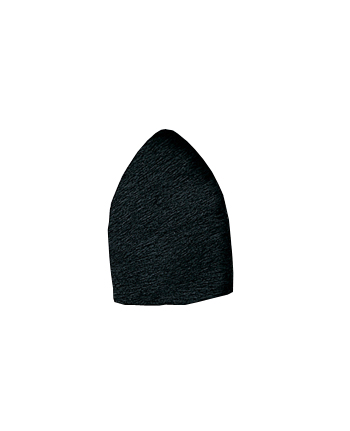
Calf Hair Rest and Plate
The Calf Hair Rest & Plate is one of our all-time bestsellers.

One package deal that has been a strong seller for over 20 years is the Bear Hair Rest & Plate. This set, from Bear Archery, offers the same rug rest and leather side plate combo that comes standard on all Fred Bear recurve bows.

Bear Archery Rest and Plate
Bear Archery offers the very popular Bear Arrow Rest & Plate,
which comes standard with all Bear Recurve bows.

There are a couple exotic combo shelf and rest materials that you trim to fit. There’s Calf Hair Rest & Plate Material and a Clipped Beaver Hair Rest & Plate Material. The Beaver Fur is very durable, slick, quiet, and attractive. With Rest & Plate Material you get a square you cut to whatever shapes you like then glue it on with a contact cement like Barge Cement (if not adhesive backed). The Calf Hair is adhesive backed so you simply peel and stick once you’ve trimmed it to shape.
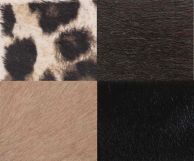
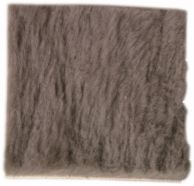
Calf Hair Arrow Rest MaterialBeaver Fur Arrow Rest Material
Use arrow rest material for cutting several arrow rests and plates from one piece in any shape you like.

Arrow holders are popular with both compound and traditional shooters. The best is the Kwik-Lok arrow holder. It’s adhesive backed for quick installation, cut out for a plunger, and the rubber used in them is silent and supple, even in frigid temps. It’s the perfect accessory for tree stand bowhunters who either hang their bows from a hook, or stand and hold their bow for hours. The arrow holder eliminates the bowhunter having to keep their index finger hooked over the arrow all the time. Which is especially advantageous in the cold.
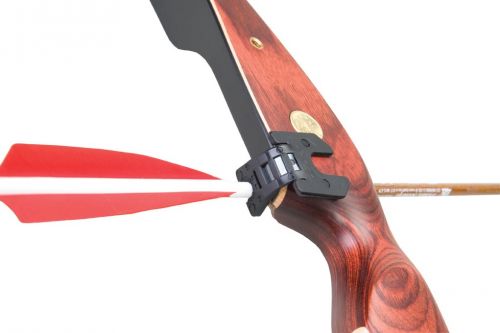
Kwik-Lok Arrow Holder
The Kwik-Lok arrow holder is ideal for the tree stand hunter who holds his bow for hours.

Many of us traditional bow shooters like to lean on our bows. When we do this, the lower limb tip takes a beating unless it’s protected. That’s why bow tip protectors are “must have” bow accessories. They’re available in leather as well as plastic and rubber models. The leather kind is novel and attractive, but the plastic and rubber kind are the top sellers. The basic, Rubber Tip Protector is available in three colors, brown, green, and tan. They slide on the lower limb tip easily and protect it from abrasion and moisture. The soft rubber stretches to fit either longbows or recurves and that makes them the most practical and universal tip protector available. Another side benefit of using tip protectors is they keep your bow string attached to the lower limb. Once you have your bow all tuned and your string just the right length, it’s problematic if the string comes off the lower limb tip and loses some twists. When that happens, you have to re-tune your bowstring and that’s a time consuming chore. Bow tip protectors hold that string in place. A bow tip protector should be on every longbow and recurve out there. They’re so low in cost and they serve such an important purpose, there’s no excuse for not having them.
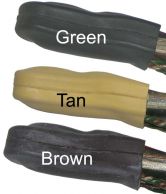
Rubber Tip Protector
Bow tip protectors don’t just protect your bow tips, they also help to keep your bow string attached to the lower limb.

Speaking of keeping bowstrings in place, there is an accessory called a String Keeper. String Keepers slide over the upper limb tip. They utilize an adjustable hook system that hooks on the upper loop of the bow string and keeps it near the upper tip for easy access. This is especially handy if you store your bow in a soft bow sock style bow case. Without fail, when you pull your bow from a bow sock bow case, the string will have moved well down the limb and away from the tip. This isn’t the end of the world, but it makes the stringing process a bit more tedious. The string keepers eliminate that problem and most of them are attractive to boot.
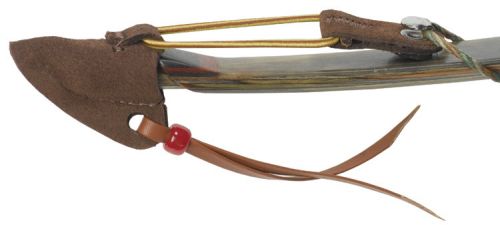
Neet Leather String Keeper
String Keepers (such as this one manufactured by Neet) keep the upper loop of the bow string near the upper tip.

Most compound shooters are quite familiar with dampening vibration in their set-ups. Normally longbows and recurves are pretty immune to this, but occasionally a traditional archer will find they have a situation where a little dampening would really help. They now have a choice. The traditional Mini Limbsavers looks like a black flat-topped mushroom, has an adhesive back, and is easily attached to the limbs. Stiktamers mount close to the bow tips and offer vibration dampening and are good for keeping brush from getting caught in your tips and great as a cushion if you hang your recurve bow on a peg.
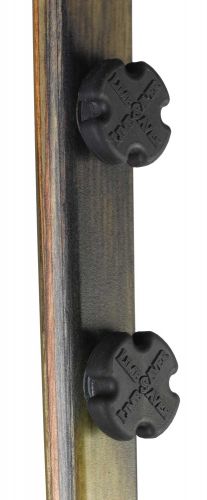
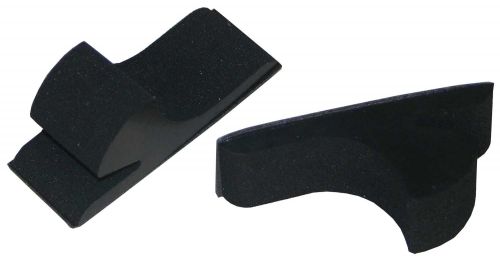
Mini Limbsavers on a longbowStiktamer Vibration Dampeners
The Mini Limbsavers and Stiktamer are two options for dampening vibration.

How can you talk about bow accessories without mentioning bow stringers? This is another area where the selection is large, but the top sellers are so far ahead of the next in line that the choice is clear. The winners in this category are the Selway longbow stringer and Selway recurve stringer. We market them as simply, “the best bow stringers available.” They’re all you’ll need.
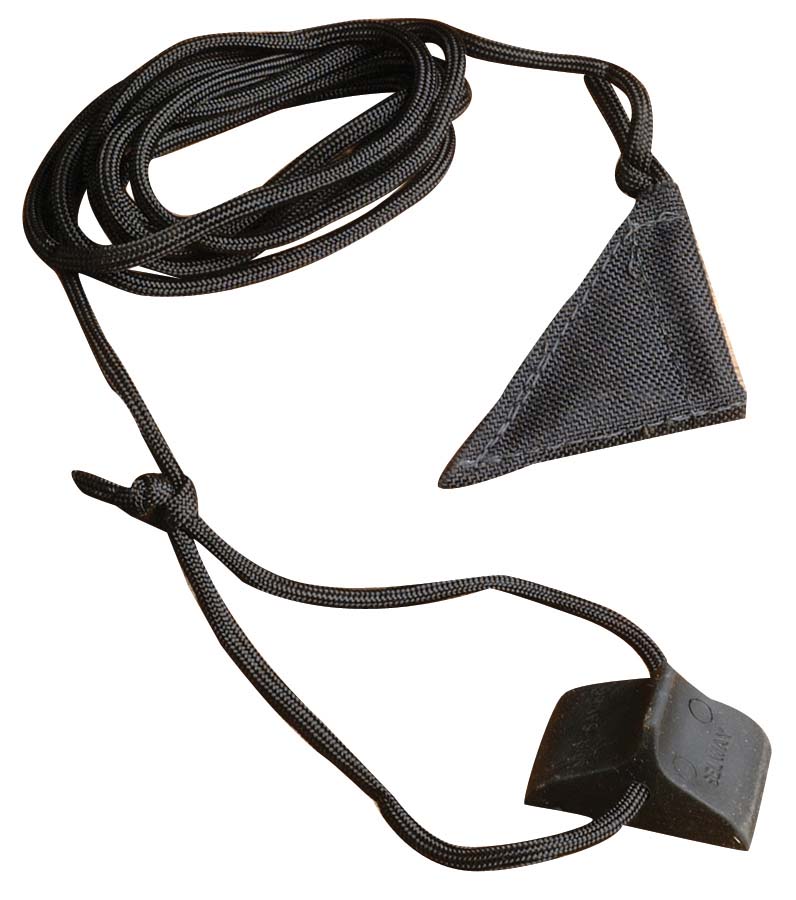
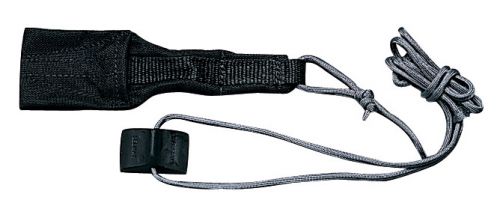
Selway Longbow stringerSelway Recurve Bow Stringer
Selway Archery offers top-of-the-line longbow and recurve stringers.

Most of the longbows and recurves on the market today look more like works of art than the deadly tools they really are. Most fine custom bows use clear fiberglass on the limb facings so the warm hues of the natural wood used in the core can be seen and appreciated. When bow hunters take to the woods though, they need concealment. Their gear must blend in with the patterns of their surroundings. Camo bow sock are the answer. They’re available in different patterns for different situations. These socks eliminate the glare and hide the lines of the bows from all game.
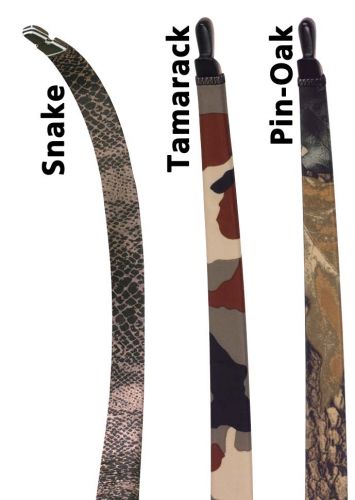
Camo Bow Socks
Bow Socks come in a variety of patterns for different situations.
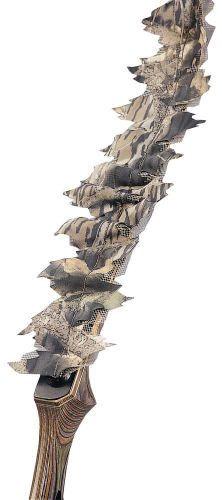
Lemkover Leaves Limb Covers
Lemkover Leaves are a very effective 3-D camo for your bow.

A unique bow accessory worth special mention is the calf-hair string groove silencer. These silencers are pre-cut adhesive-backed calf-hair strips that are installed on recurve bows just where the string meets the bow at brace height. Their benefits are two-fold. Many traditional shooters use Flemish strings and these strings often have quite a bit of string wax on them. This can cause unwanted noise during the draw. You should always remove and burnish away excess string wax from your string, but since the string groove on a recurve bow is especially prone to this noise it’s a good idea to use the string groove silencers. They also help with what is called “string slap”. Some recurve bows are equipped with what we call “double loop” or “endless” strings. These strings have their loops formed by wrapping them with string serving material. This forms a long, hard, and somewhat noisy section of string that slaps the limb upon release of the arrow. These string groove silencers dramatically dampen that string slap, which is especially important to bowhunters.
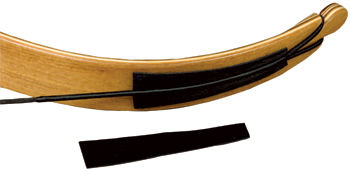
Calf Hair String Groove Silencers on recurve bow
String Groove Silencers help reduce string
slap and unwanted noise during the draw.

There are many kinds of string silencers. Many compound shooters are familiar with the rubber “Cat-Whiskers” and “Kwikee” string silencers.
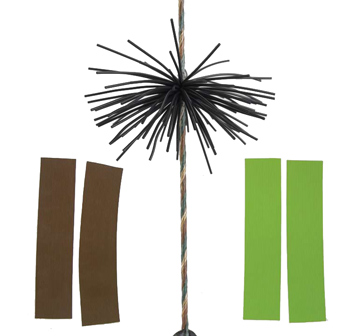
Cat whisker string silencers

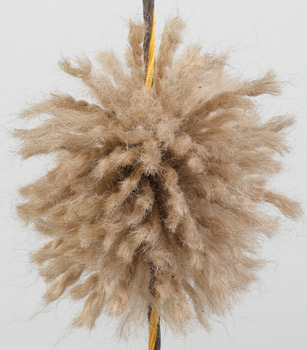
Still, most traditionalists favor the look and performance of natural silencers whether they are wool or fur. Wool string silencers like the “Wooly Whispers” (sheep wool), and “Quiet Wool” (llama wool) string silencers are fantastic at dampening string vibration and they remain remarkably dry in wet conditions.
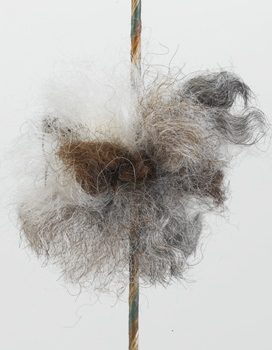
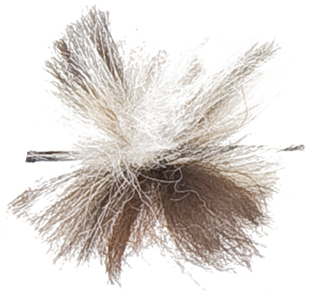
Wooly Whispers string silencersLlama string silencersMusk Ox string silencers
Wool string silencers not only dampen string
vibration, but also remain dry in wet conditions.

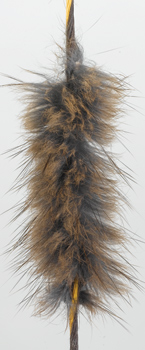
Fur silencers are available in nearly any fur you can imagine. We have limited the field to the best performing, best selling fur types and they are; beaver, otter, and muskrat. Beaver is the best selling. Otter is the best for dampening. And muskrat is the best for water repellency.
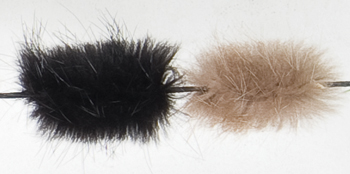
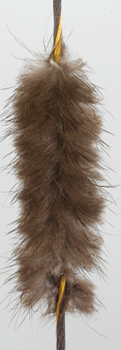
Beaver Fur string silencersOtter string silencersMuskrat String Silencers
Beaver, Otter, and Muskrat fur each have
different strengths as string silencers.

Brush buttons are designed to keep debris from wedging between the string and the bow limb on recurve bows. They are available in two sizes, 11/16″ and 7/8″ and are a “must have” item on any string for a recurve bow. If you don’t already have these, get them right away!
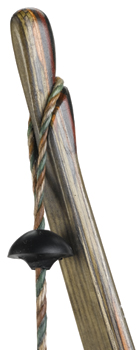
Bush Buttons on a longbow
Brush Buttons keep debris from wedging
between the string and limb on recurve bows.

String wax is not normally thought of as an accessory, but strings need to be routinely waxed to lengthen their lifespan. Here again there are many choices but a good parrifin based wax like Bohning’s “Tex-Tite” or a beeswax and rosin based “String Maker’s Wax” is best. When you start to notice small little fibers “fuzzing” on your bowstring it’s time to apply some wax. Rub the wax stick up and down on the string and even the serving. Then with a small piece of clean, soft leather, rub the string vigorously to heat the wax and burnish the string. The warm wax will penetrate the fibers and the leather will remove any excess. (Those scraps you saved from your leather bow grip material can be used for this.) Regularly waxing your strings will keep them in good shape for safe shooting.
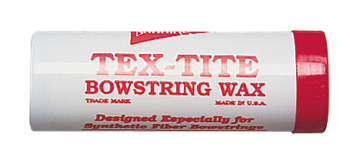
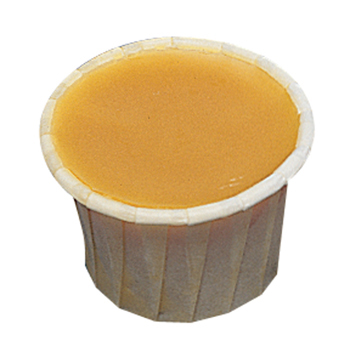
Tex-Tite bowstring waxString Maker's bow string wax
String wax lengthens the life of your bow string.

The string separator is an item all its own. This tool separates the strands of an endless string while your bow is strung so you can install the fur style string silencers described above without un-stringing your bow. Squeeze the tapered tip between the strands then twist the unit and “lock” the string in the groove. Now your string has an opening for you to start the first ½” of the fur silencer in. Remove the tool and the string closes on the silencer. Wrap the fur around the string now “barber pole” style till you have about ½” left. Insert the string separator again twist and insert the bottom end. Remove the separator and again the string clamps down on the silencer holding it in place. This is another accessory that is at home with both compound shooters and traditional shooters.
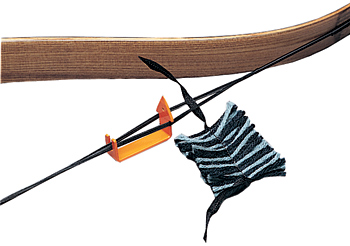
String Separator creates an opening in your bow string
The String Separator creates an opening in your bow string so
you can install fur string silencers without unstringing your bow.

So, you have that picture perfect custom recurve! You have the hand-stitched leather back quiver! You even have the genuine wooden arrows with authentic turkey feather fletching! Now it’s time to fill in the blanks with the archery accessories that will make your traditional set-up complete! Never underestimate the little things… the details that can make the difference between a perfect shot, and a heartbreaking miss. Accessories can make or break your day in the woods or on the shooting range. Make a good selection of accessories part of your archery tacklebox.

Keep Hunting
Dale Karch & Todd Smith

For more information contact:

3Rivers Archery
PO Box 517
Ashley IN 46705

1-866-587-9501

[email protected]

Back to Top