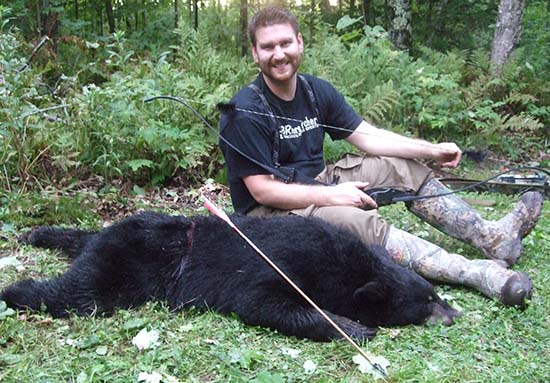
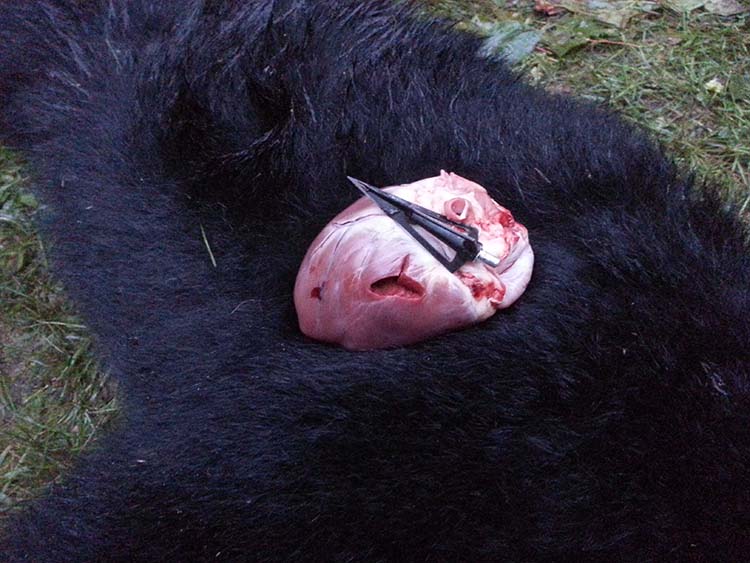
Welcome to the 3Rivers Archery trophy room. Browse successful kills with traditional bows from all around the world. Be sure to submit one of your own.
All posts by 3Rivers Archery
Your longbow and recurve experts. Serving the archery community as the World's largest supplier of traditional and primitive archery supplies.
Working at 3Rivers Archery it’s fair to say that I shoot traditional archery a lot. I’ve had the opportunity to try many different bows and arrows, which means I’ve shot a lot of targets (and target faces). Recently, I was given the opportunity to test a handful of these targets for our YouTube channel.
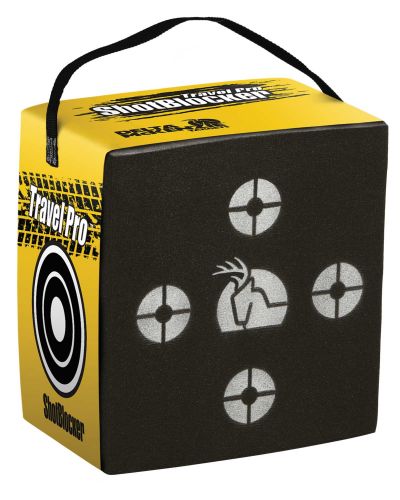
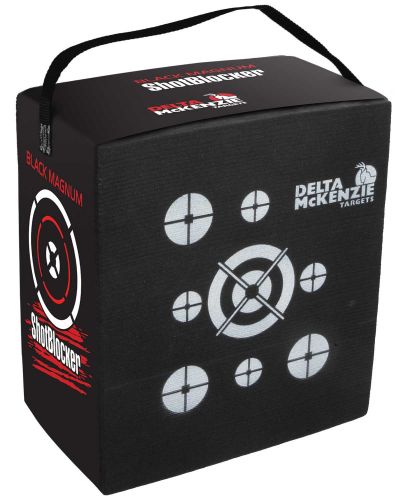
Among the targets that I tested were the StringShot Wolverine Hanging Target, the Mini StringShot Wolverine Hanging Target, the Delta McKenzie Black Magnum Broadhead Target, and the Delta McKenzie Travel Pro Broadhead Target. I was also given a B40 and a B60 StringShot Wall Target Backstop, which I used behind each of the targets for the duration of the review.
It’s worth noting that I shoot my (54# @ 30″) longbow daily; I also have a 63# @ 30″ recurve, but I don’t shoot that as often.
The StringShot Wall Target Backstop
Before this review I was already familiar with the StringShot Wall Target Backstop because we have one hanging on our range here at 3Rivers Archery. However, I was happy that I would have the opportunity to try and set one up at my home.
The best thing about the Wall is also its biggest drawback – and that is its size, especially the B40. With the smallest one being 8 foot x 8 foot and the largest being 9’x30′, these backstops are massive. So, if you don’t have the space for them they’re probably not a wise investment, and you should probably go with something a bit more manageable like the Shield Archery Backstop instead.
It’s also important to note that these backstops aren’t meant to be hung taut. Instead, they need to have some folds in them, just like a shower curtain. The folds increase the amount of kinetic energy that the backstop can distill. I found this out the hard way because when I first set-up the backstop I failed to read the instructions and set it up incorrectly. Although the backstop did it job for most of my arrows, two arrows flew straight through and hit my fence behind it.
However, this didn’t happen after I hung it properly. So, overall I was impressed with the Wall Target Backstop. It took a bit of work (I had to install a couple of temporary beams to hang it from in my yard), but I was happy with the end result.
My final verdict? This backstop works and if you’ve got the space then it’s exactly what you’re looking for.
The StringShot Wolverine Hanging Target and Mini Target
I really enjoyed testing these – both the mini and the full-sized targets are great. They are hard targets, which is their only real downside. However, because they’re hard targets they can really take a beating and are much more durable than the tennis ball that I often shoot at during my practice sessions.
Each target (even the small ones) can withstand hundreds of shots. They don’t last forever (no target does), but they last much longer than many other specialty targets and, for the price, they really can’t be beaten.
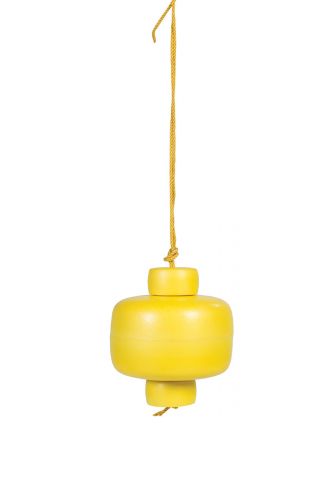
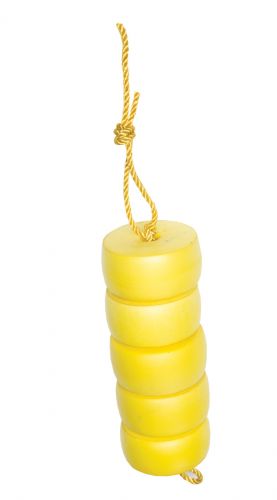
The full-sized Wolverine Hanging Target is about the size of the vital area on a deer, so it’s great practice for hunting season. The smaller mini targets are a great way to hone in your accuracy. The yellow color makes it easy to see if you’re in a field and throw it in some tall grass or water.
Overall, I was very pleased with these targets. It is, however, a bad idea to shoot it with more than one arrow at a time – if you do, you run the chance of breaking an arrow (I found this one out first hand).
The Delta McKenzie Black Magnum Broadhead Target and Travel Pro
Wow. Color me impressed.
I’m not sure what I was expecting when I first received these block targets, but what I got was striking. I’ve found that after extended use a bag target will start to “eject” arrows as the material inside of it starts to compress. However, I’ve been shooting these block targets for a while now (both with field points and with broadheads) and they’re holding up well.
They are both essentially the same target, that is to say they’re made of the same material and are the same thickness, the only difference being their overall size (the Travel Pro is smaller than the Black Magnum). There are no plates, cables, or bands in either of these targets, which means that all four sides can be shot and you won’t have to worry about damaging your arrows.
They’re only good for bows that shoot less than 280 feet per second, which is fine for traditional archers (if you’re shooting a longbow or a recurve bow and you’re getting more than 280 FPS, please let me know what you’re shooting, so I can get one too).
Overall, I was so happy with these targets that they’ve converted me from the bag target that I was shooting at regularly.
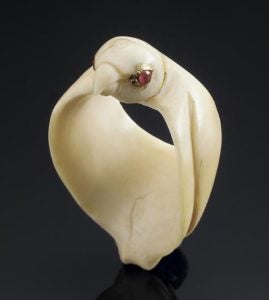
This Archer’s ring is in the form of a Falcon and is probably from Mughal, 18th Century formed by a three-dimensional bird with ruby set eyes and folded wings. The string would rest on the lip of the ring opening and slip off the ring without touching the ornamental face. Photo: Bonhams.
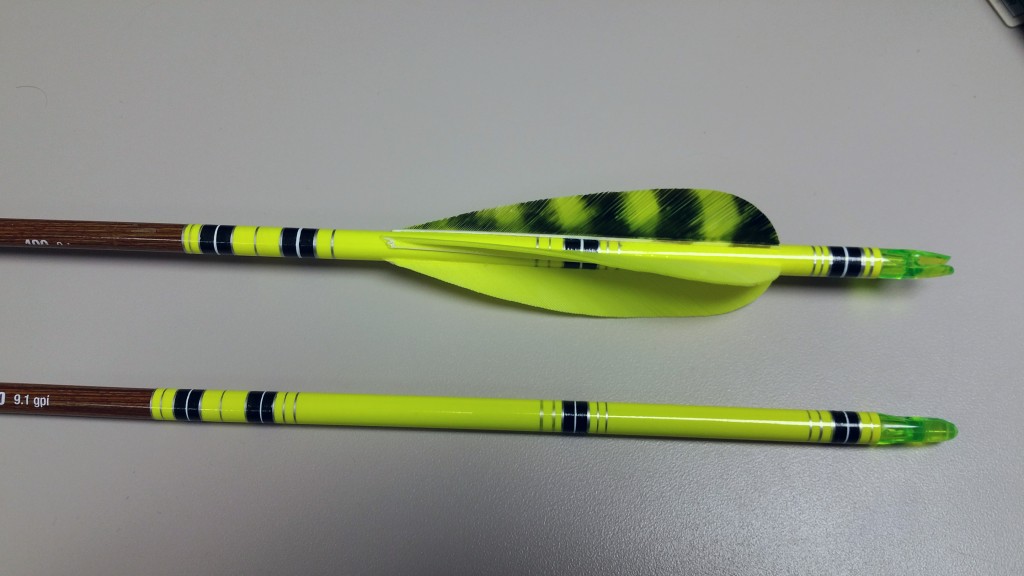
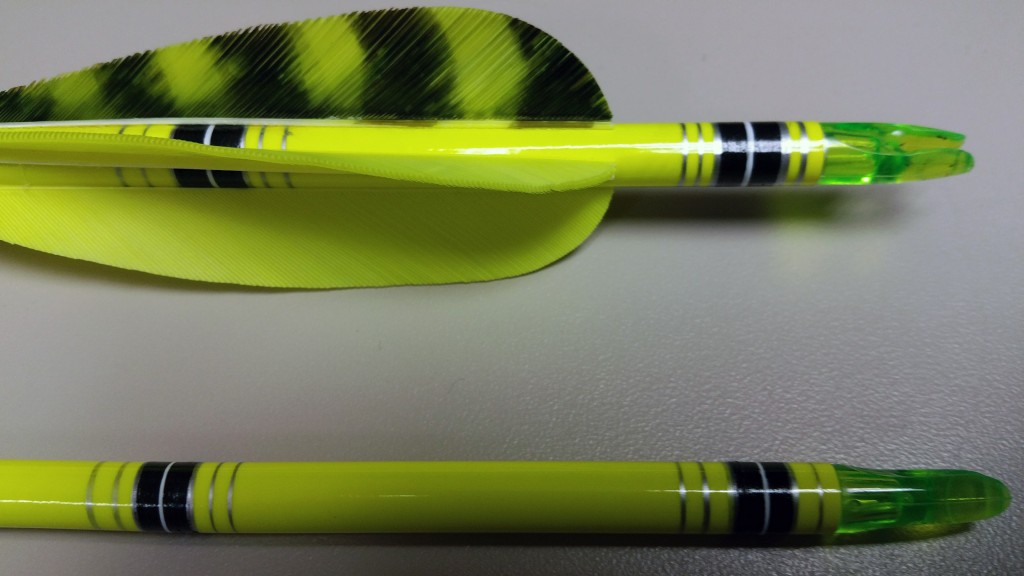
The other day James, one of our traditional archery technical experts, came up to me to show me his newly crested arrow. They’re pretty sweet, if I do say so myself, and after James told me how easy it was I decided to write a short “how to” post about it.
It sounds too easy, but it really is that simple. As long as you can hold your hand steady, with the appropriate tools just about anyone can crest an arrow – and make it look awesome.
Let’s get into the weeds a little bit.
The art of cresting dates back (at least) hundreds of years, as a means of arrow identification. In the days when everything was made by hand and each arrow was a work of art, the very idea that someone else might walk off with your arrow was likely appalling.
Recently, however, cresting has become a way of personal expression. Many archers choose to forgo cresting entirely, but few can deny the appeal of an arrow with a crisp crest.
The most important thing to remember when cresting an arrow is to take your time. The easiest way to mess-up an arrow is to try and hurry through the cresting. As with every part of traditional archery, quality takes time.
Your crest can be as simple or as complex as you want. If this is your first time cresting an arrow it might be a good idea to practice on an old “throw-away” shaft. This way you can get a feel for what you’re doing. You could also just apply the crest to a cap warp, as they’re pretty easy to take off.
Before you apply your first coat of paint, you should remember to wipe down the shaft with the arrow prep. (Note: If you’re not going to use a cap wrap, then you should apply two coats of finish to your bare shaft. Wait until each coat of clear finish has dried, then gently rub the shaft with #0000 steel wool until it’s smooth.)
Next, put down a strip of blue painters tape on your crester and mark your cresting pattern (it might be a good idea to make each mark on the tape the color you want on your arrow – this way you can see if you like the color combination or not).
Next, if you plan to use any bright or metallic colors you should first lay down a base coat of white. This will save you some time later and will limit the number of coats. Remember, it’s better to have good prep work, than it is to just glob on the paint. It’s better to have several thin layers than it is to have one thick coat.
As you move forward to your first coat of color remember to clean your brush often. Clean your brush between each arrow and between every color. When you put your brush in your paint remember to try and get an even amount every time – otherwise you won’t have a consistent finish. As you apply the paint, try not to leave the brush on the shaft for an extended period of time, especially with fast-drying paints, because this can lead to a rough-looking finish.
After your base layer, begin applying your cresting pattern; start with your wider bands and move down to your thinner bands.
It’s a good idea to add a thin line to separate colors; this will give your crest a clean finished look. To do this, you’ll need a very fine pointed brush and a steady hand.
After the shaft has had plenty of time to dry, apply a clear coat over the crested areas. (Note: if you’re cresting a wood arrow you should apply a clear dip to the entire shaft.)
You’re done. Cresting is a simple way to make your arrows look great and to showcase your pride as a traditional archer.
This story has been re-published with the permission of Core4Element. The link to the original story is no longer available.
One of the most important things a hunter must consider before going out into the field is choosing the best hunting clothing for the conditions. But even the best gear is useless without knowing the best way to wear it. The Core4Element line of hunting clothes is designed to be used as a system of three layers: a base layer, a mid-layer, and an outer layer. Dressing in layers like this allows you to control your core temperature in any weather, which helps you stay focused on the hunt instead of your clothes.
Layering allows you to prepare for all weather extremes, but there is a right way to do it. The first thing you need to keep in mind when creating your layering system is to abandon the thought of wearing cotton on your hunt. Cotton is a light fabric, yes, but it also traps moisture and chafes after wearing it for a long time. These are not ideal conditions for anyone, especially hunters competing with the elements for long periods of time.
Merino Wool Base Layers
Begin your layering system with a base layer. This layer will have direct contact with your skin, so you’ll want to choose something relatively lightweight, breathable and comfortable against your skin. At Core4, we create our base layers with 100% Merino wool, which is soft to the touch, anti-microbial, and has moisture wicking capabilities. Base layers should fit snuggly to make the most use of the wicking technology and allow for other layers to be put on top without bunching up. Depending on the climate of your preferred hunting area, you may want to consider heavier (thicker) or lighter base layers. Since base layers are pretty much impossible to remove once you’re out in the field, do your best to anticipate the weather conditions of your hunting grounds so you can choose the appropriate weight.
Versatile Mid-Layers
Mid-layer hunting clothes allow for a little more versatility than base layers because you can either wear one or several, depending on your comfort level. Mid-layers tend to be looser than base layers, but they do not need to be baggy by any means. The mid-layers are where you really control the body temperature. Adding multiple mid-weight layers for colder temperatures will better protect your from the cold than a heavy, bulky outer layer. Core4Element hunting apparel is tailored to an “athletic fit” to maintain contact with the base layer in order to optimize wicking capabilities. This will keep you warm while still being moisture and odor free. Mid-layers typically have special features to provide maximum comfort and breathability. Core4Element mid-layers often have underarm zippered vents and extra long front zippers for superior ventilation on all-day hunts. Layer the Mid Mountain Vest over the Selway Zip for extra warmth or use the Pivot Shirt as your mid-layer on warmer hunting days.
Protective Outer Layers
The outer layer of a system is going to be the most important layer in terms of protecting against the elements. Whether hunting in rain, wind or snow, Core4 has the high-performance, high-quality gear you need for creating the best final layer to your system. The key to the most effective outer layer is durability. Your pants and jacket need to be able to stand up against tree branches, rocks and whatever else you may encounter in the woods or backcountry. All of our pants and jackets are treated with Durable Water Repellent (DWR) to provide maximum protection against the elements. This is exactly what you want in an outer layer. Pay attention to the weights of the pants and jackets, as some are made for colder conditions than others. Pay close attention to the moisture in the weather. An outer layer protected by a DWR treatment will keep the rain and snow out for a while but if heavy rain or wet snow is in your future you’ll want a fully waterproof outer layer like the C4E Torrent jacket and pants. Torrent is waterproof, breathable, and just as important on the hunt, quiet.
When building your layering system, be sure not to neglect your head, hands and feet. Core4 offers Merino wool or synthetic options to keep you as comfortable as possible on your hunt. Be sure to keep your head covered on bitter hunts, as heat leaves most quickly through the head. Keep extra pairs of wool socks in your pack in case your boots do not protect your feet from water, as they should. Nothing ruins a hunt faster than suffering from soggy socks. Choose a pair of gloves that provides warmth, grip and mobility.
Layering is one of the smartest choices you can make on a hunt. Using the right method, you won’t have to worry about your clothing and comfort for the rest of your hunt, and that’s how it should be. Stay dry, warm and odor free when hunting with the Core4Element layering system. Ready to turn your hunting clothing into a system of specialized gear? Build your system now.
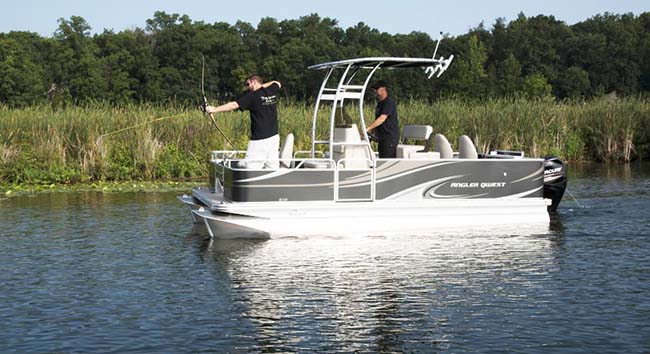
You know what bowfishing is, and you’re interested in trying, but you’re still not quite sure how or where to start. Bowfishing is unique in the world of archery in that it can be practiced day or night, on land, while wading in the water, or on a boat.
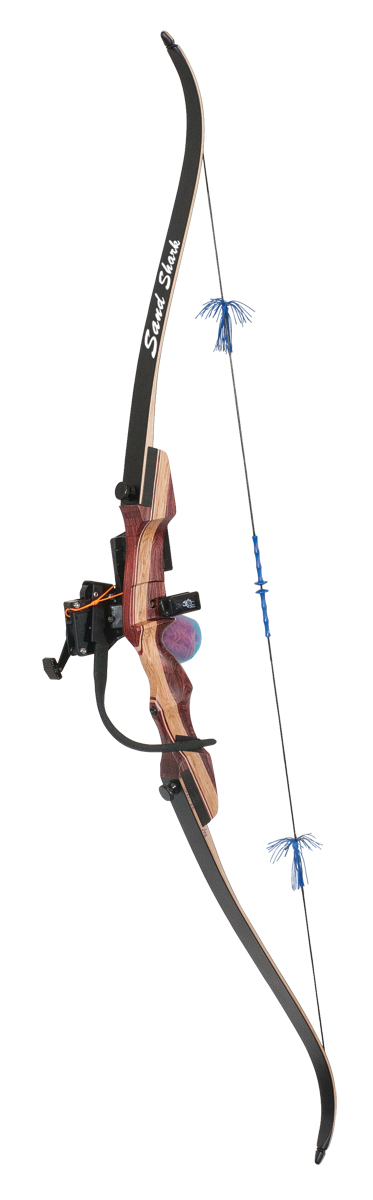
To get started you’ll need a bow, a recurve is best simply because smaller bows are a bit easier to manage while bowfishing. There is no need for sites because of refraction and because they can’t account for depth. You’ll probably want a bow that shoots 45 pounds or greater in order to have sufficient force.
You will also need a reel and special bowfishing arrows; typically, bowfishing arrows are heavier, use barbed broadhead, don’t have fletchings, and are longer than traditional arrows. They are also attached to a fishing line. On that note, never tie a line to the back of an arrow, it should always be attached to the slide near the front of the arrow. If tied to the back, the line could get tangled in the bowstring, causing the arrow to snap back at you, resulting in facial injuries and even death.
You might also want to bring a pair of hip waders, some gloves, sunglasses (if you’re fishing during the day), sunblock, and a hat. If you’re fishing at night you’ll probably want to bring a decent flashlight or spotlight.
If you have the option, and if you’re shooting from a boat, you’ll probably want to use a flat-bottom vessel, so you can take it into shallower water. Like sport fishing and hunting, individual states regulate bowfishing, so you will probably have to pickup a fishing license.
When you’re bowfishing on fresh water you’ll be looking for fish like carp, eels, suckers, perch, catfish, gars, or even alligators. If you’re saltwater bowfishing you’ll probably target fish like dogfish, sharks, and stingrays. The exact type of fish that you’re allowed to bowhunt legally is regulated by the state, so check on your local regulations.
Something that seems obvious, but should also be mentioned about bowfishing. there is no catch-and-release in this sport. Bowfishing kills the fish.
If you decide to give bowfishing a try, but you don’t have access to a boat, then you’ll be limited to wading or bank bowfishing. You’ll want to do this kind of bowfishing in the spring, while the fish are spawning, before and after the spawn the fish can be harder to find. If you’ll be bowfishing from a bank, you’ll want to target lakes, rivers, and ponds with shore access. If you’ll be wading, you have the option of heading to a marsh with tall grass, where the fish feel safe.
If you’re having trouble narrowing down a good spot for your first bowfishing trip, just give your local DNR fisheries biologist a call and tell them you are looking for heavy concentrations of carp, eels, suckers, perch, catfish, or gars.
If you’ve got a few places in mind, but you’re still not sure about the perfect spot, the most important thing you should consider is the consistency of water depth and overall water clarity – clear water that is between 3-4’ deep is ideal for bowfishing.
Now, if you’re like me you don’t hunt what you won’t eat. That said, many of the fish that you’ll be after (such as carp) can contain contaminants, so it’s a smart idea to contact your local DNR office and ask about fish advisories before heading out.
When you finally do get to your fishing spot, the main difficulty that most new bowfishers have is refraction. When light waves pass through water they are deflected, which makes things look like they are where they are not. This is most easily demonstrated using a straw and a glass of water.
To compensate for this, you’ll want to aim about 10” below the fish you’re aiming at; keep in mind this is just a general rule of thumb and you should be prepare to miss quite a bit your first time out.
Bowfishing has been growing in popularity in recent years as more beginning archers look for fun shooting opportunities for spring and summer. As with almost everything in archery, you can get into bowfishing at nearly any price point you choose.
For basic equipment, some archers simply buy a kit that includes:
Some people who bowfish transfer all the equipment back and forth to their regular hunting bow, or buy a new bow for hunting and put their bowfishing gear on the old bow. Regardless of what you choose to do, our expert techs at 3Rivers Archery can guide you into the right product whether you’re just starting out or looking to upgrade your equipment.
Carp 101
Various species of carp are the most commonly targeted fish. Carp aren’t native to North America. They were brought over from Europe in the 1800s and released across much of the continent.
Because carp are destructive rough fish that reproduce readily almost everywhere they’re found, archers who bowfish typically shoot all they can, often using the fish as fertilizer for gardens and flower beds. Some also are smoked, canned or added to fish stew. About the only requirement is that those who bowfish take home everything they catch.
Bowfishing Is a Good “Next Step” From Recreational Shooting to Bowhunting
Bowfishing provides multiple shooting opportunities. For those archers interested in expanding their interest and archery skill into an outdoor adventure, it’s an ideal stepping-stone between target archery and bowhunting. No two shots are ever the same in bowfishing, and there’s usually much more action than in bowhunting. When bowhunting deer, elk or bears, bowhunters can go weeks – or several hunting seasons – between shots.
It’s also accessible.
Bowfishing can be done from piers, shorelines, and boats. This includes canoes, kayaks, airboats, motorboats, and Jon boats. As paddleboards become increasingly popular across the U.S., bowfishing from paddleboards is also gaining traction, particularly among a younger demographic eager to get outdoors. Several years ago, the Florida-based company, BOTE, partnered with ATA member Realtree, to offer its customers several camo-clad boards.
With bowfishing, you’re seldom restricted to one small area like you are when bowhunting deer from a tree stand or turkeys from a ground blind. If you see carp or gar nearby, you can stalk closer to try intercepting them. Those experiences also help prepare you for stalking or setting up on deer, elk or other game animals.
Gators Too?!
Carp and other rough fish like gar and buffalo make for exciting bowfishing, but perhaps the ultimate in big-game bowfishing is an alligator hunt. States like Florida, Georgia, and South Carolina allow bowfishing for ’gators, but no state offers more alligator tags each year than Florida. This requires specialized equipment, however, so it’s probably best to hire a guide or hunt with an experienced friend before taking on an alligator.
Father’s Day is Sunday, June 21. Don’t forget to say “Thank you,” to dad this Father’s Day.
Happy Father’s Day!
Becoming a father was one of the most transformative experiences I’ve ever had in my life. Right up there with earning my Eagle, Globe and Anchor, getting my Bachelor’s Degree, and getting married. Granted, being a dad is an ongoing experience – as my daughter is only three, but I don’t think I’ve ever experienced anything else quite like it. I am my daughter’s hero and I get to shape her entire world, this responsibility is almost unbelievable.
Author, Jason Mills taking a photo with his daughter, Hannabella Mills
Every day I wake up early, get dressed and ready for work, drive more than an hour, do my job, and when I get home I have to deal with everything that grown-ups have to deal with. But, at the end of the day, after all the bills are paid and my bank account is empty, after the frustrations of the day are gone, and all of the home repairs are done, it’s all worth it; because I get to kiss boo-boos, I get big hugs, cuddles on the couch, I get to hide in blanket forts, race in the yard, play with stuffed animals, and vigilantly ward off monsters from under the bed.
Too often I see dads portrayed on T.V. as bumbling doofuses, easily outwitted by even the least cunning child. They are the butt of every joke and seen as a not-so-necessary accessory, easily discarded and far from respected. I, however, contend a different point of view:
Dads matter.
Daughters look to their fathers to see what kind of man they should expect to provide for them in marriage. They are the benchmark against which all other men will be tested. Boys watch their fathers to learn what it means to be a man, and to learn what men are supposed to be. They learn how they should treat others and how they should carry themselves.
3Rivers Archery Vice President of Sales and Marketing, Johnny Karch, and his daughter, Bella.
Fathers instill a strong work ethic by going to work every day to provide for their families – even when they don’t want to. Fathers teach their children about honor, by honoring their spouse and others. They teach patience by being patient with willful children. They teach courage by willingly facing their fears. We teach our children – everything. By word and by deed, we are watched and examined. There is likely no higher task any father will be called to do.
So, be a dad. Matter in your kids lives.
3Rivers Archery would like to encourage every dad on their journey, we know you’re committed to doing things well and we know you’re committed to your family.







.jpg "Welcome to the 3Rivers Archery Trophy Room")





 Get the Newsletter